
For patients in Weare, NH, understanding the value of preserving natural teeth can help them make informed decisions when dental problems arise. Weare Family Dentistry encourages patients to understand their oral health and the options that may be available when a tooth becomes damaged, decayed, or infected. While extraction is sometimes necessary, maintaining a natural tooth whenever reasonably possible can provide important functional and long-term oral health benefits.
Why Natural Teeth Are Worth Preserving
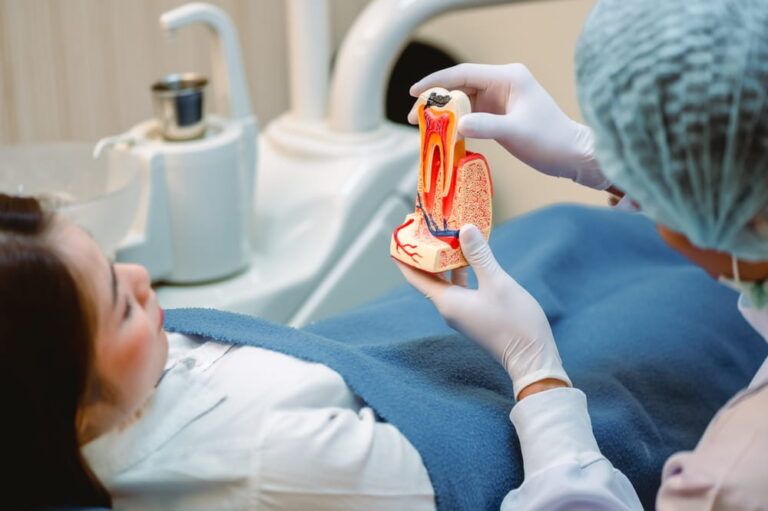
Natural teeth are uniquely designed to work with the surrounding gums, jawbone, muscles, and neighboring teeth. The roots of a natural tooth are anchored within the jaw and help transfer the forces of chewing into the bone. This stimulation plays a role in maintaining the structure of the jaw while the visible portion of the tooth helps support comfortable biting, chewing, and speaking.
Preserving a tooth can also help maintain the natural alignment of the smile. When a tooth is removed, neighboring teeth may gradually shift toward the open space. Changes in alignment can affect the way the upper and lower teeth meet and may make certain areas more difficult to keep clean. Regular dental exams and check-ups can help identify decay, fractures, and other concerns before they progress to the point where saving the tooth becomes more difficult.
How Restorative Care Can Help Save a Tooth
Dental problems do not automatically mean that a tooth needs to be removed. Depending on the extent and location of the damage, different treatments may be considered to restore the tooth’s structure and function. For example, dental fillings can repair areas affected by cavities when sufficient healthy tooth structure remains.
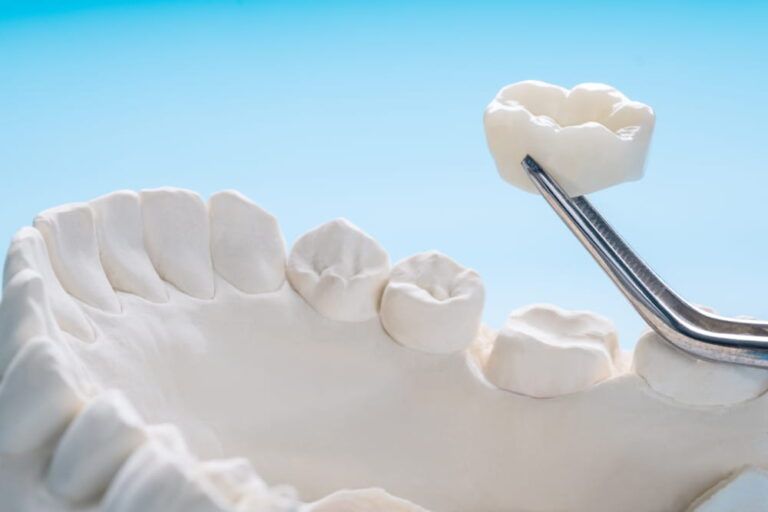
More extensively damaged teeth may require additional restorative treatment. A dental crown can cover and reinforce a weakened tooth, helping protect the remaining structure from additional damage. When problems are identified early, patients may have more opportunities to pursue conservative treatment rather than waiting until damage becomes too extensive to repair.
What Happens When a Tooth Is Extracted?
Although preserving a natural tooth is generally desirable, there are circumstances in which tooth extraction may be appropriate. Severe decay, advanced periodontal disease, extensive fractures, or other conditions can sometimes leave a tooth with a poor prognosis. In these situations, removing the tooth may help address pain, infection, or other oral health concerns.
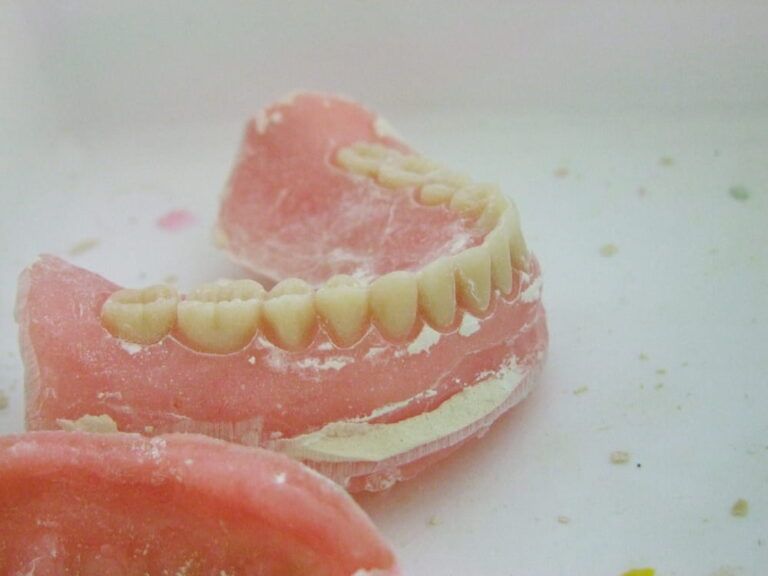
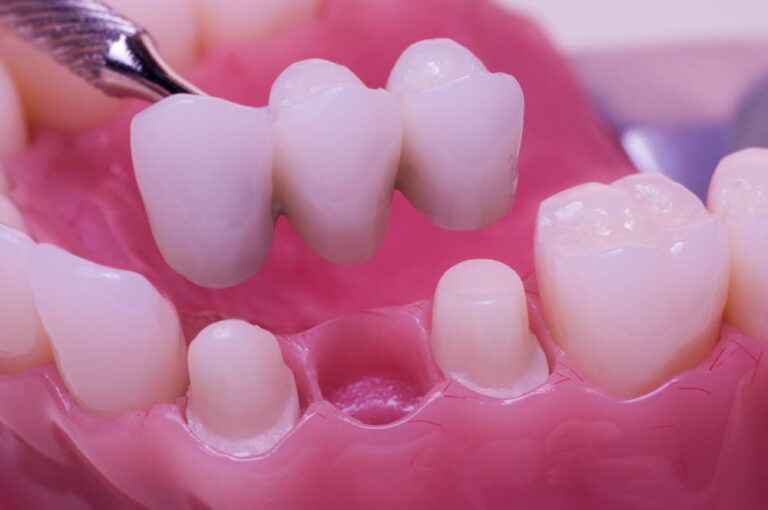
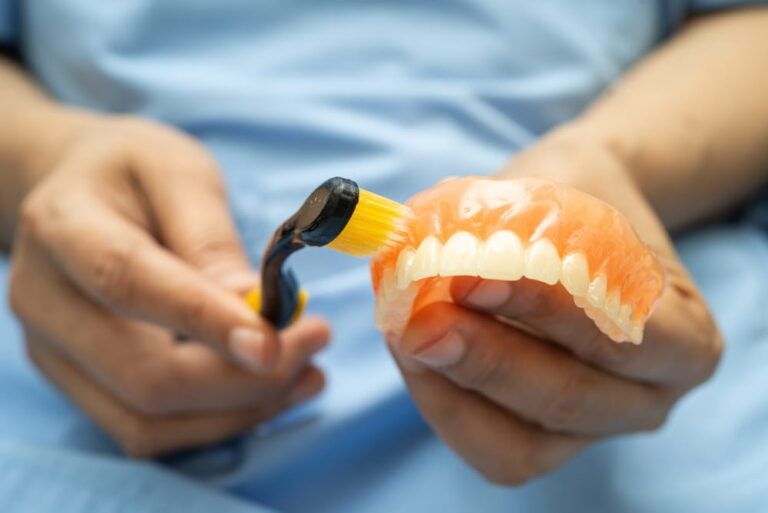
Extraction, however, creates a space that may need to be managed. Missing teeth can alter chewing patterns and allow surrounding teeth to shift. Depending on the patient’s oral health and individual needs, replacement options may include dental implants or dental bridges. Tooth replacement can restore important function, but it does not completely duplicate the biological structure of a healthy natural tooth.
Prevention Can Improve the Chances of Keeping Your Teeth
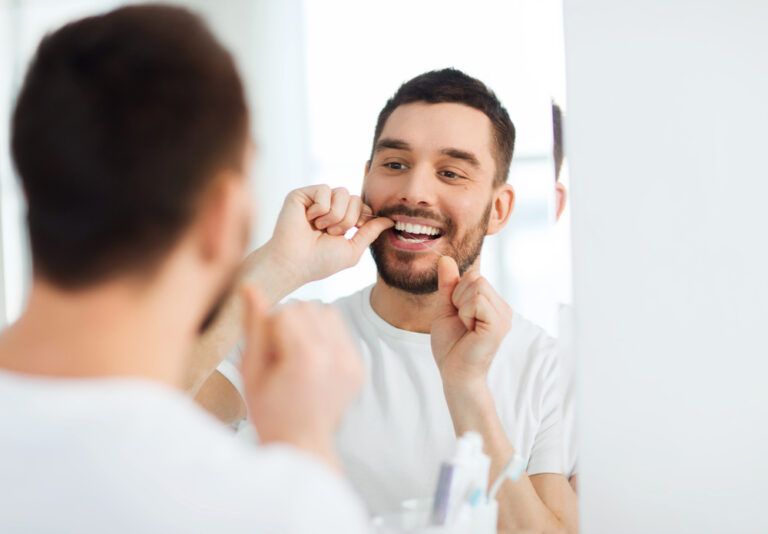
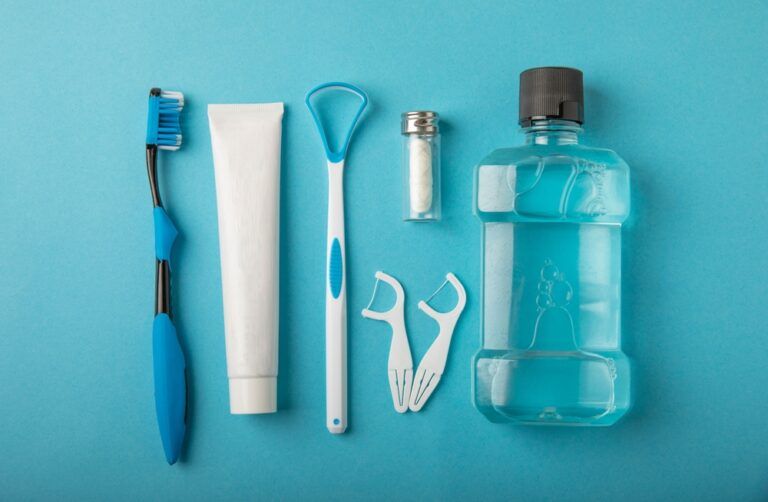
One of the most effective ways to preserve natural teeth is to address oral health concerns early. Consistent brushing, flossing, professional evaluations, and appropriate preventive care can reduce the risk that minor problems will develop into significant damage. Good oral hygiene is especially important for controlling plaque and reducing the likelihood of tooth decay and gum disease.
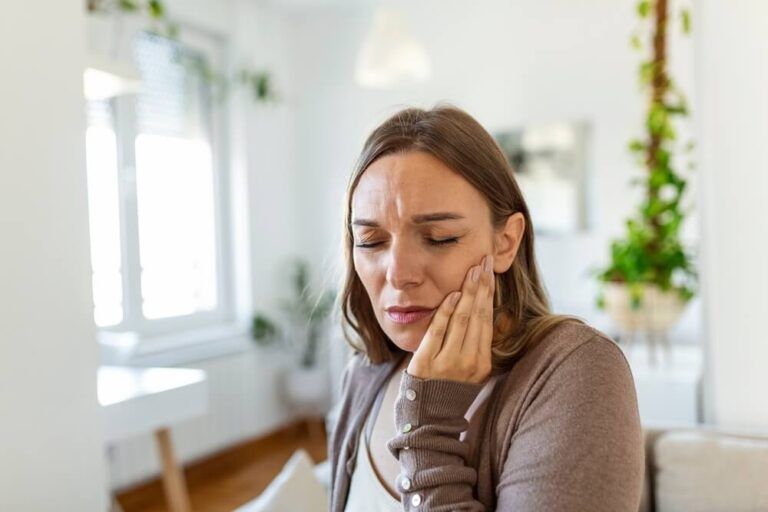
Patients should also pay attention to symptoms such as persistent tooth sensitivity, pain when chewing, swelling, bleeding gums, or a cracked tooth. Seeking an evaluation when these symptoms first appear may increase the range of treatment options available and help prevent complications.
Making an Informed Decision About Your Tooth
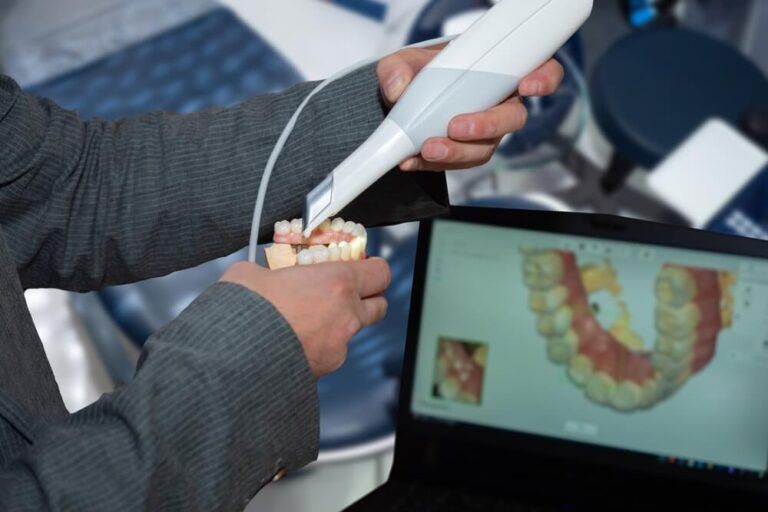
The decision to preserve or extract a tooth should be based on its condition, long-term prognosis, surrounding bone and gum health, and the patient’s overall dental needs. An examination and appropriate diagnostic imaging can help determine how much healthy tooth structure remains and whether restoration is a predictable option.
For patients in Weare, NH, learning about these considerations can make conversations about dental treatment easier and more productive. Dr. Esin Narli and Weare Family Dentistry emphasize the importance of understanding the health of each tooth and the potential consequences of different treatment choices. Whenever preservation is appropriate, maintaining a natural tooth can support comfortable function, stable alignment, and a healthy smile for years to come.
Resources
American Association of Endodontists. (n.d.). Saving Your Natural Tooth. American Association of Endodontists.
National Institute of Dental and Craniofacial Research. (2024). Tooth Decay. National Institutes of Health.
American Dental Association. (n.d.). Tooth Decay and Preventive Dental Care. MouthHealthy, American Dental Association.