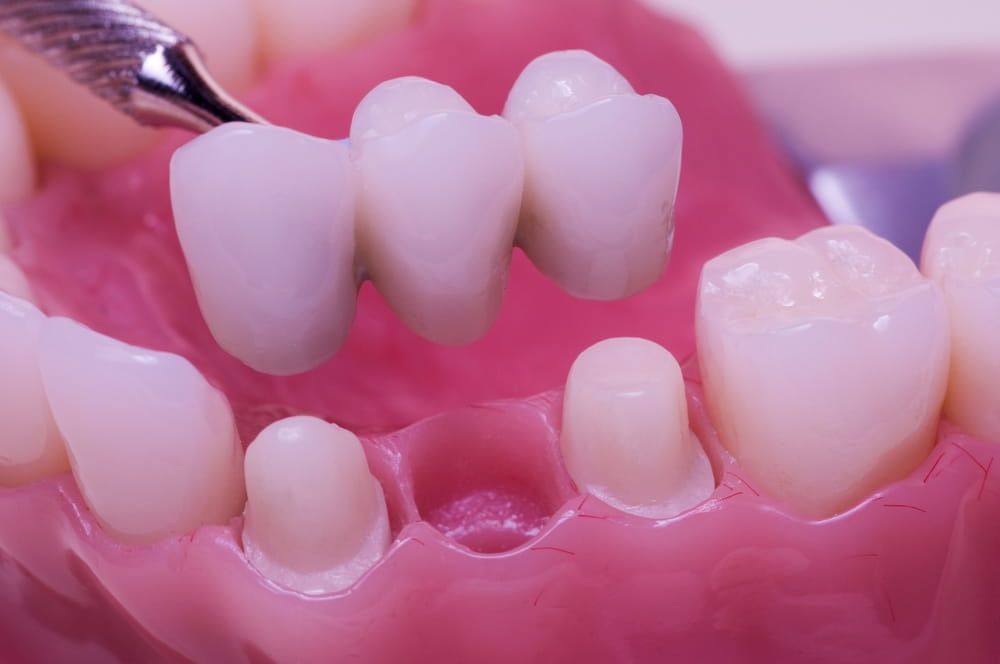
When a tooth is missing, replacing it can improve chewing, speech, and confidence while helping keep the rest of the smile stable. Patients researching their options often compare bridges and implants because both can fill a gap in the smile, but they work in very different ways. At Weare Family Dentistry in Weare, NH, Dr. Esin Narli helps patients understand the pros and limitations of each treatment so they can make informed decisions based on their oral health needs.
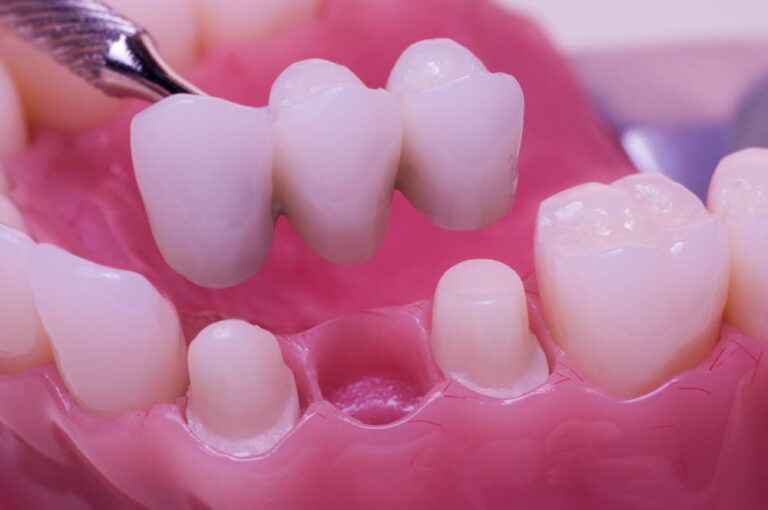
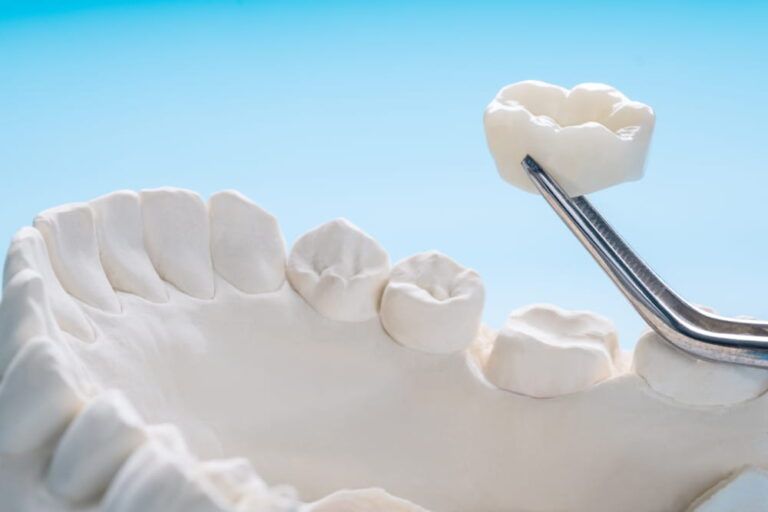
A dental bridge is a restoration that uses neighboring teeth for support. It places an artificial tooth in the open space and anchors it to crowns attached to the teeth on either side. A dental implant replaces the missing tooth root with a small titanium post placed in the jawbone, then supports a crown above the gumline. While both restore appearance and function, the way they are supported is the key difference.
How a Bridge Works Compared to an Implant
A dental bridge relies on adjacent teeth. Those supporting teeth are usually reshaped so crowns can fit over them. Once the bridge is secured, the replacement tooth sits between the crowns and fills the space. Bridges have been used successfully for many years and can often be completed faster than implants.
A dental implant works independently. Instead of depending on nearby teeth, the implant is placed into the jawbone where the missing root once was. Over time, the bone bonds with the implant through a process called osseointegration. After healing, a custom crown is attached. This creates a restoration that closely mimics the feel and function of a natural tooth.
Important Differences Patients Should Know
Choosing between these options often depends on health history, bone support, timeline, and personal goals. Common differences include:
- Support system: Bridges use neighboring teeth, while implants use the jawbone.
- Treatment time: Bridges are usually faster, while implants require healing time.
- Bone preservation: Implants help stimulate bone; bridges do not replace the root.
- Adjacent teeth: Bridges may require reshaping nearby teeth, implants usually do not.
- Longevity: Both can last many years with care, though implants often have longer-term durability.
These differences matter because every mouth is unique. Some patients prefer a faster solution, while others want a restoration that functions more like a natural tooth.
Which Option May Be Better for You?
A bridge may be recommended when the teeth beside the gap already need crowns, when faster treatment is preferred, or when surgery is not ideal. A bridge can also be a practical choice if bone loss has occurred and a patient wants to avoid additional procedures. Maintaining excellent oral hygiene is important because the supporting teeth must stay healthy.
An implant may be ideal for patients with healthy gums, adequate bone, and a desire for a long-term standalone solution. Implants can help preserve bone and often feel very natural when chewing. However, the process can take several months depending on healing and whether procedures like tooth extractions or grafting are needed first.
Making an Informed Decision
There is no single “best” option for everyone. The right choice depends on oral health, budget, medical history, and treatment goals. A comprehensive exam, updated imaging, and discussion of long-term expectations can help determine the most appropriate path.
Weare Family Dentistry in Weare, NH believes patient education is an important part of treatment planning. Whether someone is considering a bridge, implant, or another restorative option, understanding the differences can lead to more confident decisions and better long-term oral health outcomes.
Resources
Pjetursson, B. E., & Zwahlen, M. (2008). A systematic review of the survival and complication rates of fixed partial dentures and implant-supported restorations. Clinical Oral Implants Research.
Misch, C. E. (2015). Dental Implant Prosthetics. Elsevier.
American Dental Association. (2024). Replacing Missing Teeth. Journal of the American Dental Association.