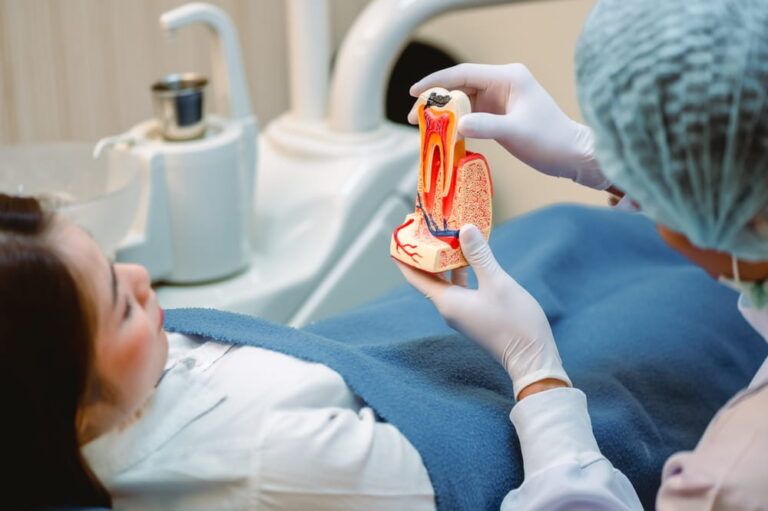
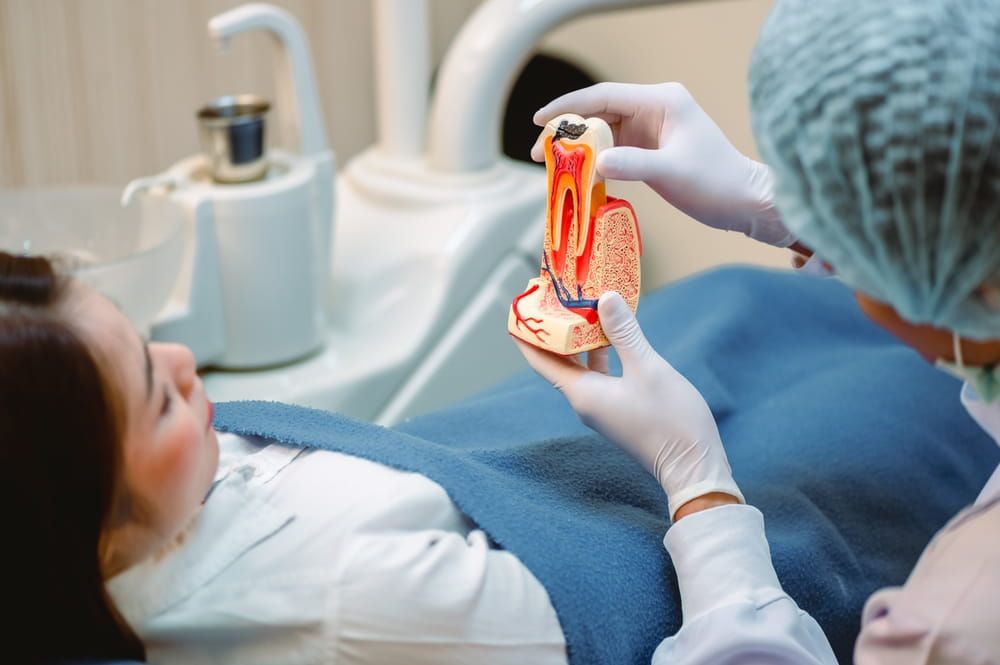
A non-surgical root canal is a dental treatment used to save a natural tooth when the inner pulp becomes inflamed or infected. The pulp is the soft tissue inside the tooth that contains nerves, blood vessels, and connective tissue. When decay, cracks, deep fillings, or trauma allow bacteria to reach this space, discomfort and infection can develop. At Weare Family Dentistry in Weare, NH, patients often benefit from understanding that a root canal is designed to relieve pain, not cause it.
Unlike surgical endodontic procedures, a non-surgical root canal is completed through a small opening in the crown of the tooth. The goal is to remove infected tissue, disinfect the inner canals, seal the space, and restore the tooth so it can continue functioning. When performed at the right time, this treatment can help avoid the need for tooth extractions and preserve the natural bite.
When a Root Canal May Be Recommended
A root canal may be needed when the pulp inside the tooth cannot heal on its own. Symptoms can vary, and some patients may have infection without constant pain. That is why routine dental exams and check-ups are important. X-rays and clinical testing can help identify problems before they spread.
Common signs that may point to the need for root canal treatment include:
- Lingering tooth pain after hot or cold foods
- Pain when biting or chewing
- Swelling near the gumline
- A darkened or discolored tooth
- A pimple-like bump on the gums
- Deep decay or a cracked tooth
These symptoms do not always mean a root canal is required, but they should be evaluated promptly. Early treatment can reduce the chance of more serious infection and help protect surrounding teeth and bone.
Step One: Evaluation and Numbing
The first step is a thorough diagnosis. The dentist reviews symptoms, examines the tooth, and may take digital X-rays to view the roots and surrounding bone. Testing may include checking sensitivity to temperature or pressure. This helps determine whether the pulp is inflamed, infected, or no longer vital.
Once treatment begins, the tooth and surrounding area are numbed with local anesthesia. Many patients are surprised that the procedure feels similar to having a filling placed. The priority is comfort throughout the appointment. After the area is numb, a small protective sheet called a dental dam may be placed to keep the tooth clean and dry during treatment.
Step Two: Cleaning the Inside of the Tooth
After the tooth is isolated, a small opening is made in the biting surface or back of the tooth. This allows access to the pulp chamber and root canals. The infected or inflamed pulp tissue is carefully removed using small dental instruments.
The canals are then cleaned, shaped, and disinfected. This step is important because the root canal system can be narrow and complex. The dentist works carefully to remove bacteria and debris while preserving as much natural tooth structure as possible. Once the canals are properly cleaned, they are prepared for sealing.
Step Three: Sealing and Restoring the Tooth
After cleaning, the canals are filled with a biocompatible material called gutta-percha. This helps seal the canal space and prevent bacteria from re-entering. A temporary or permanent filling may then be placed to close the access opening.
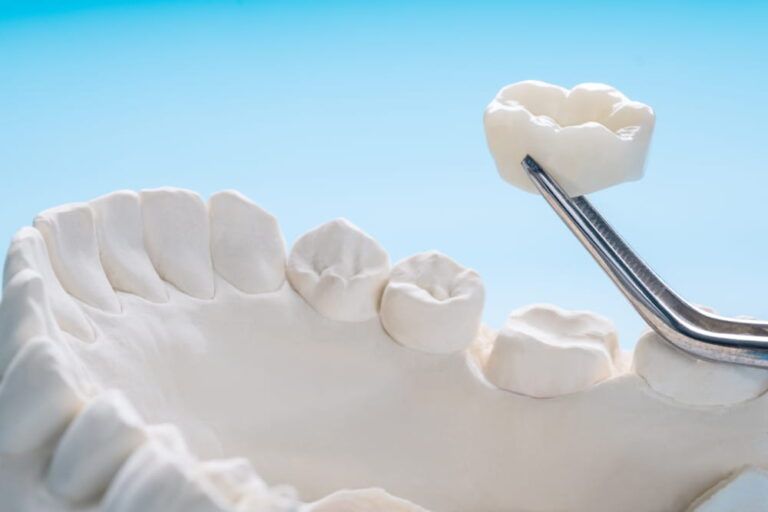
In many cases, a tooth that has had a root canal needs a dental crown to protect it from fracture. Back teeth often absorb heavy chewing pressure, so a crown may be recommended to restore strength, shape, and function. If less structure is missing, a dental filling may be enough. The final restoration depends on the condition of the tooth.
Recovery and Long-Term Tooth Care
Mild soreness after a root canal is normal, especially if the tooth was painful before treatment. This usually improves within a few days. Patients are often advised to avoid chewing hard foods on the treated tooth until the final restoration is placed. Good oral hygiene is also important for keeping the restored tooth and surrounding gums healthy.
A root canal-treated tooth can last for many years with proper care. Brushing, flossing, regular dental visits, and avoiding habits like chewing ice can help protect the tooth. Weare Family Dentistry in Weare, NH encourages patients to view root canal treatment as a tooth-saving option that can restore comfort, function, and confidence.
Resources
American Association of Endodontists. (2020). Root Canal Treatment. American Association of Endodontists.
Ng, Y. L., Mann, V., & Gulabivala, K. (2011). A Prospective Study of the Factors Affecting Outcomes of Non-Surgical Root Canal Treatment. International Endodontic Journal.
Siqueira, J. F., & Rôças, I. N. (2008). Clinical Implications and Microbiology of Bacterial Persistence after Treatment Procedures. Journal of Endodontics.