
Healthy teeth do more than contribute to the appearance of a smile. They are an important part of the digestive process, helping break food into smaller pieces before it reaches the stomach. For patients in Weare, NH, Weare Family Dentistry provides educational information to help people understand the connection between oral health, chewing ability, and nutrition. When teeth become damaged, severely decayed, or missing, eating a varied and balanced diet can become more difficult.
Chewing Is the First Step in Digestion
Digestion begins in the mouth. Teeth cut, tear, crush, and grind foods into smaller pieces that are easier to swallow and process. Saliva mixes with food during chewing and begins breaking down certain nutrients. When teeth are healthy and the bite functions properly, people can generally chew a wider range of foods comfortably.
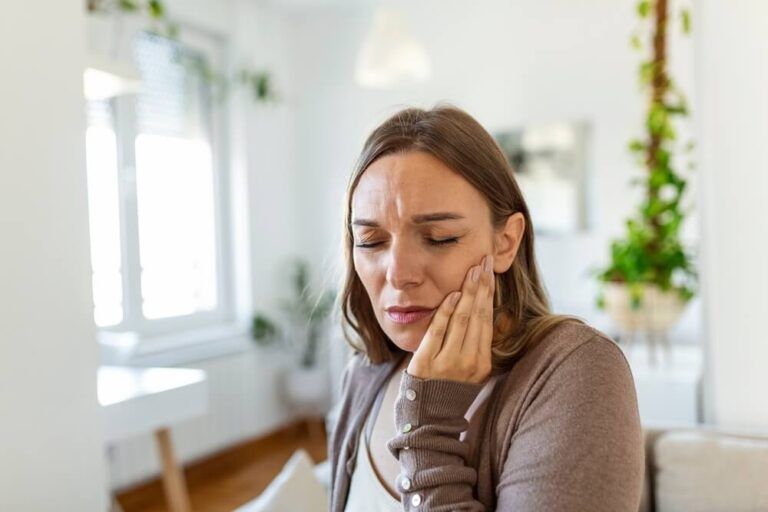
Damaged or missing teeth can interfere with this process. A painful tooth may cause someone to chew primarily on one side, while missing teeth can make it difficult to grind tougher foods. Regular dental exams and check-ups can identify decay, fractures, worn restorations, and other problems that could eventually affect chewing ability.
Dental Problems Can Change Food Choices
When chewing becomes uncomfortable, people naturally begin choosing foods that are easier to eat. Unfortunately, softer does not always mean more nutritious. Someone experiencing dental discomfort may avoid crunchy vegetables, fresh fruits, nuts, seeds, meats, and other foods that require more chewing. Over time, these limitations can make maintaining dietary variety more challenging.
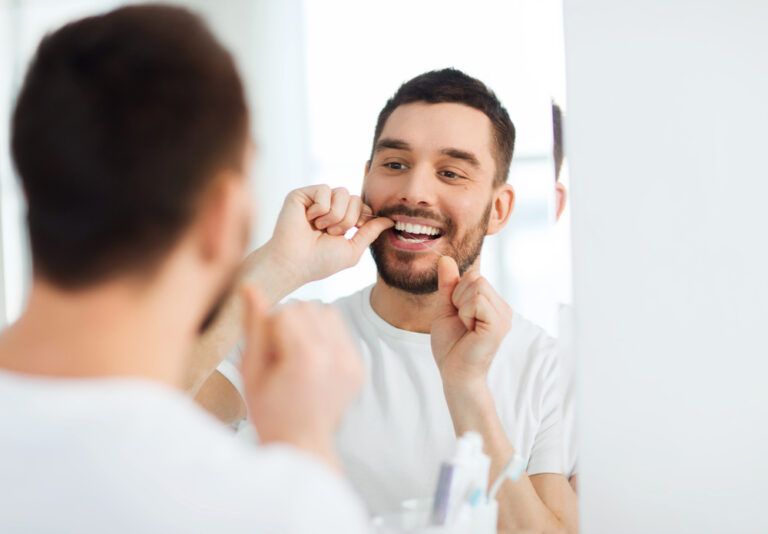
Oral discomfort may also encourage people to rely on highly processed foods because they are easier to chew. Addressing damaged teeth can make it more comfortable to include foods with different textures in everyday meals. Maintaining good oral hygiene can also help reduce the risk of decay and gum problems that may interfere with comfortable eating.
Restoring Damaged Teeth Can Improve Function
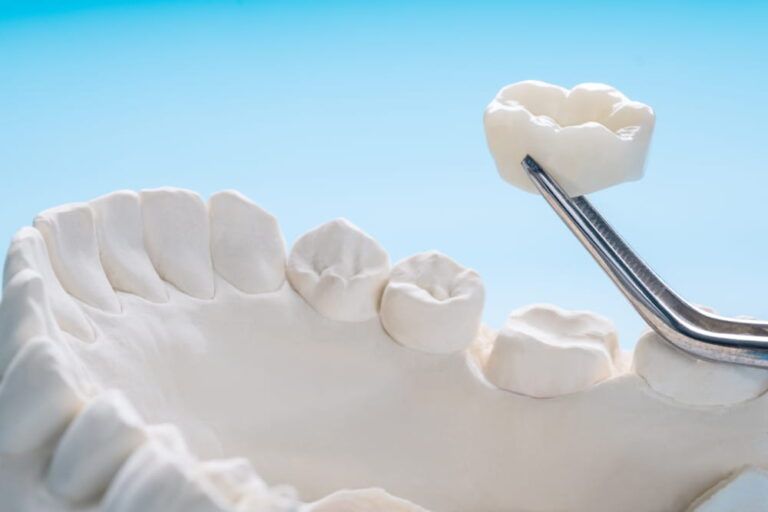
Restorative dental treatment is designed to repair or replace compromised tooth structure so that the mouth can function more effectively. Smaller areas of decay may be treated with dental fillings, allowing the affected tooth to continue contributing to chewing. More extensively weakened teeth may benefit from dental crowns, which can help reinforce the remaining tooth structure.
Restoring a tooth may also reduce sensitivity or discomfort that previously made certain foods difficult to eat. When chewing is more comfortable and efficient, patients may find it easier to consume vegetables, fruits, whole grains, lean proteins, and other nutrient-dense foods. The appropriate restoration depends on the condition of the tooth, bite, surrounding tissues, and overall oral health.
Replacing Missing Teeth Supports Dietary Variety
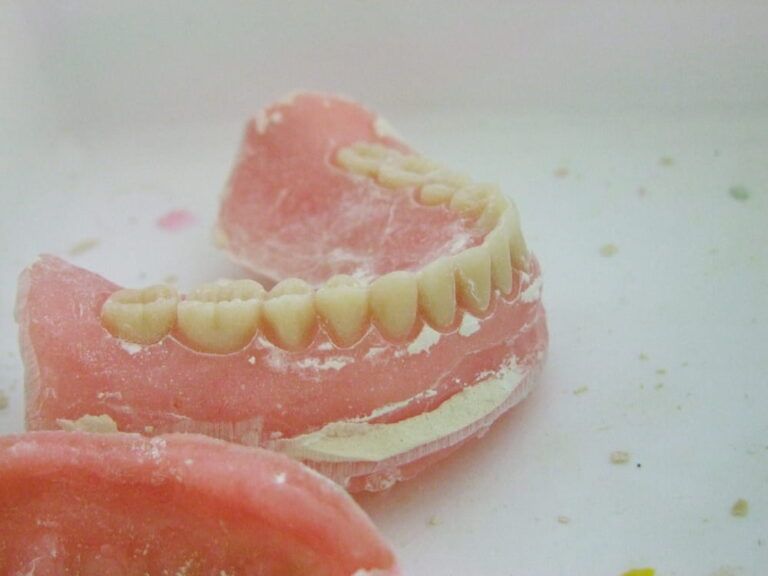
Missing teeth can have an especially noticeable effect on nutrition when several teeth are absent or when back teeth used for grinding are involved. People may compensate by swallowing larger pieces of food or avoiding foods that require significant chewing. Missing teeth can also affect how chewing forces are distributed across the remaining teeth.
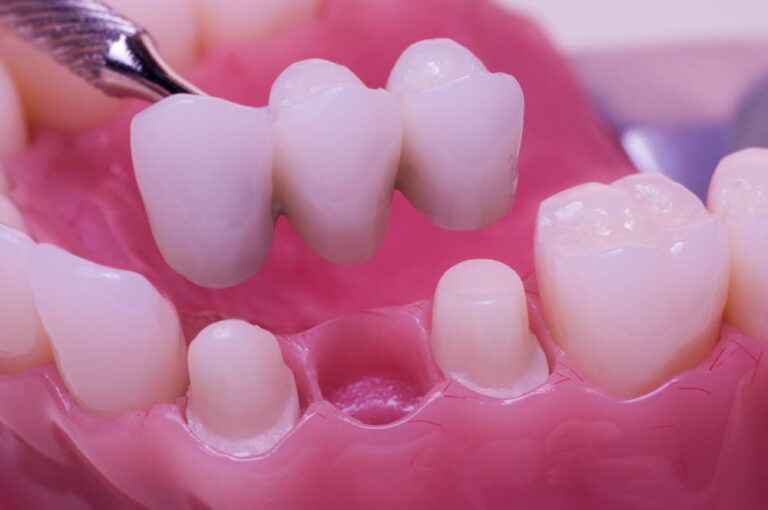
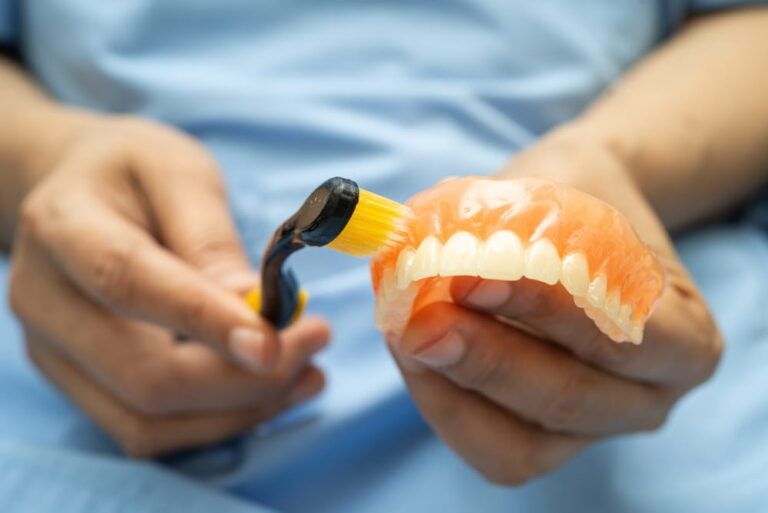
Options such as dental implants and dental bridges may help replace missing teeth and restore important chewing surfaces. The goal of tooth replacement is not simply cosmetic. Restoring function can help patients eat more comfortably and maintain a diet that includes a broader range of textures and nutrient sources.
Oral Health and Nutrition Work Together
The relationship between nutrition and oral health works in both directions. Teeth help people consume nutritious foods, while a balanced diet supplies nutrients that support the teeth, gums, bones, and other tissues. Calcium, phosphorus, protein, and vitamins are among the nutrients involved in maintaining oral and overall health.
For patients in Weare, NH, protecting and restoring teeth can therefore be viewed as part of maintaining overall wellness. Dr. Esin Narli and Weare Family Dentistry encourage patients to understand how oral function can influence everyday activities such as eating. By addressing damaged or missing teeth and maintaining preventive dental habits, patients can support comfortable chewing, greater dietary variety, and better long-term nutrition.
Resources
World Health Organization. (2025). Oral Health. World Health Organization.
National Institute of Dental and Craniofacial Research. (2024). Oral Health in America. National Institutes of Health.
American Dental Association. (n.d.). Nutrition and Oral Health. MouthHealthy, American Dental Association.