Receiving new dentures is a major step toward restoring comfort, appearance, and confidence. At Weare Family Dentistry in Weare, NH, many patients are excited to smile again but also have questions about how to care for their appliance properly. New dentures often require a short adjustment period as the mouth adapts to the fit and feel. Mild soreness, extra saliva, and changes in speech are common during the first few days.
Good daily habits can make that transition easier. Dentures are durable, but they still require regular care to stay clean, fit well, and last as long as possible. Proper maintenance also helps protect the gums and any remaining natural teeth. Learning the basics early can prevent avoidable problems and keep your smile functioning comfortably.
Clean Dentures Every Day
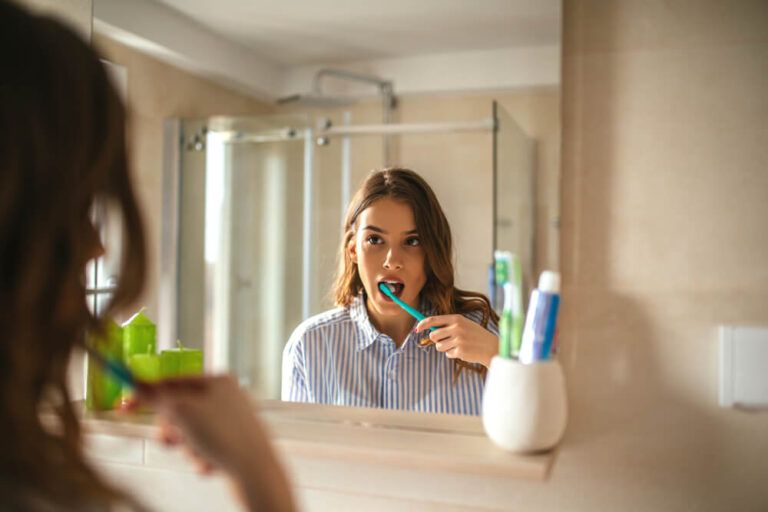
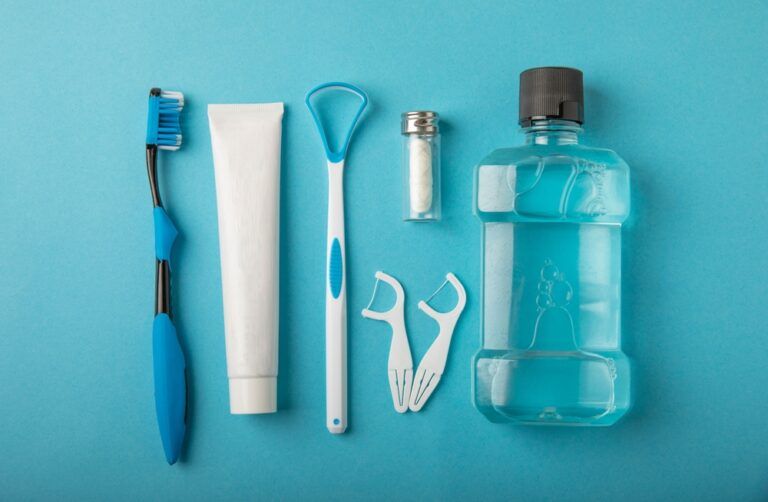
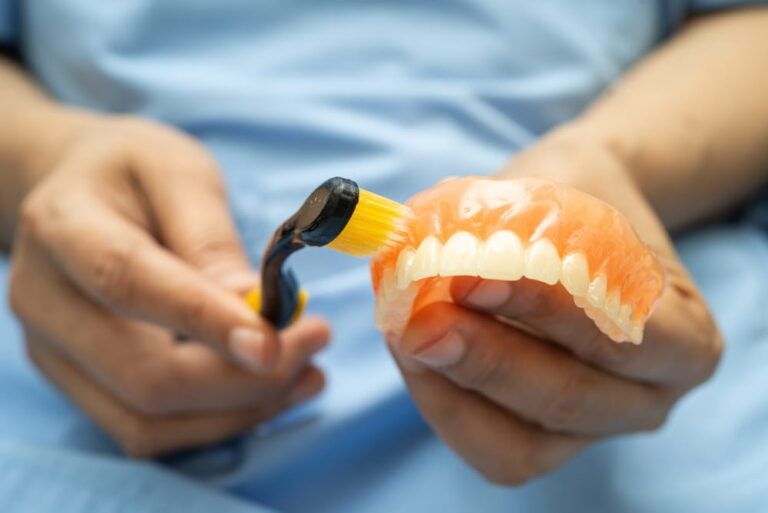
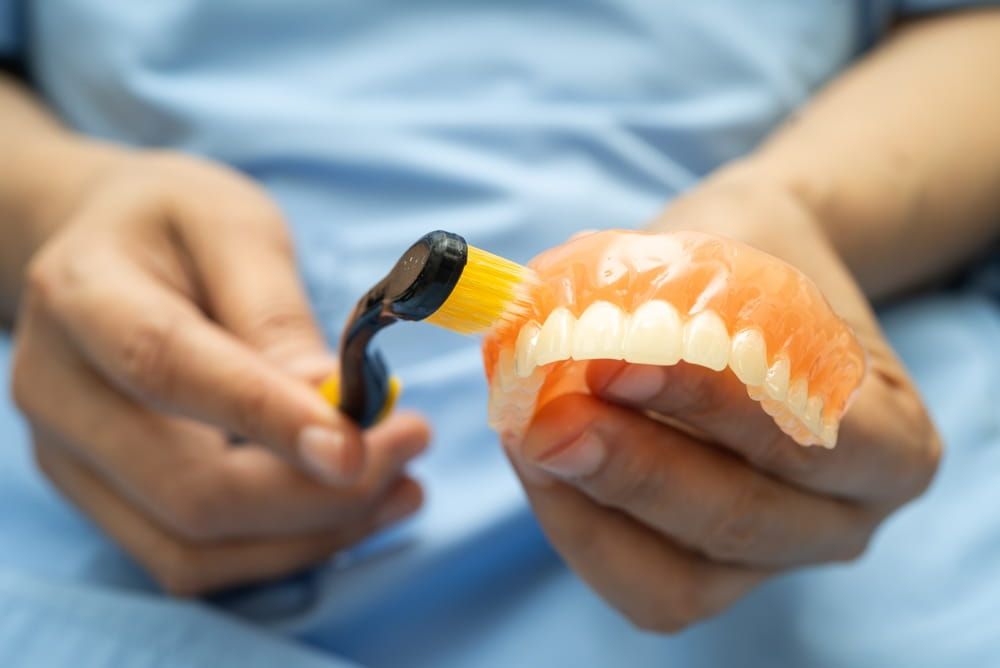
Dentures should be cleaned daily just like natural teeth. Food particles and plaque can build up on the surface, leading to odor, stains, and irritation. Remove dentures after meals when possible and rinse them with water. Each day, brush them gently using a soft denture brush and a cleanser made specifically for dentures. Regular toothpaste can be too abrasive and may scratch the material.
It is also important to clean the mouth itself. Even if no natural teeth remain, the gums, tongue, and roof of the mouth should be brushed gently with a soft toothbrush or clean cloth. This helps remove bacteria and stimulates circulation in the tissues. Patients with remaining teeth should continue brushing and flossing those areas carefully and keep up with Dental Exams / Check-Up.
Handle Dentures With Care
Dentures can break if dropped, so handling them carefully is essential. When cleaning them, place a folded towel in the sink or fill the sink with water first. This creates a softer surface if the denture slips from your hands. Never bend clasps or try to reshape dentures at home, as this can damage the fit.
Important handling tips include:
- Hold dentures over a towel or sink of water
- Use only denture-safe cleaning products
- Avoid hot water, which can warp the material
- Keep dentures away from pets and children
- Store them safely when not in use
- Schedule adjustments if they feel loose or sore
If your dentures become damaged, seek professional repair rather than using glue or household adhesives.
Eating, Speaking, and Wearing Tips
Eating with new dentures takes practice. Start with soft foods cut into small pieces and chew slowly using both sides of the mouth. As confidence improves, firmer foods can gradually be added. Sticky or very hard foods may remain difficult and should be approached with caution. Drinking plenty of water can also help with dryness or minor irritation.
Speaking may feel different at first, especially with certain sounds. Reading aloud and repeating challenging words can help the tongue adapt more quickly. Wearing dentures as instructed is important, but some patients may be advised to remove them at night so the gums can rest. Follow individual guidance from your dental provider, especially if using Immediate Dentures, since healing tissues may change quickly.
Long-Term Comfort and Oral Health
Even full dentures need professional checkups. Over time, the shape of the gums and jawbone can change, which may affect fit and stability. Loose dentures can cause sore spots, slipping, and difficulty chewing. Periodic evaluations help determine whether adjustments, relining, or replacement are needed.
For patients in Weare, NH, caring for new dentures is about more than cleaning the appliance—it is about maintaining overall oral health and comfort. Weare Family Dentistry encourages patients to stay consistent with home care and routine visits so dentures continue to support a healthy, confident smile for years to come.
Resources
Felton, D. (2016). Complete edentulism and comorbid diseases: An update. Journal of Prosthodontics.
Papadiochou, S., et al. (2015). Denture adhesives: A systematic review. Journal of Prosthetic Dentistry.
Zarb, G., Bolender, C., & Eckert, S. (2013). Prosthodontic Treatment for Edentulous Patients. Mosby.