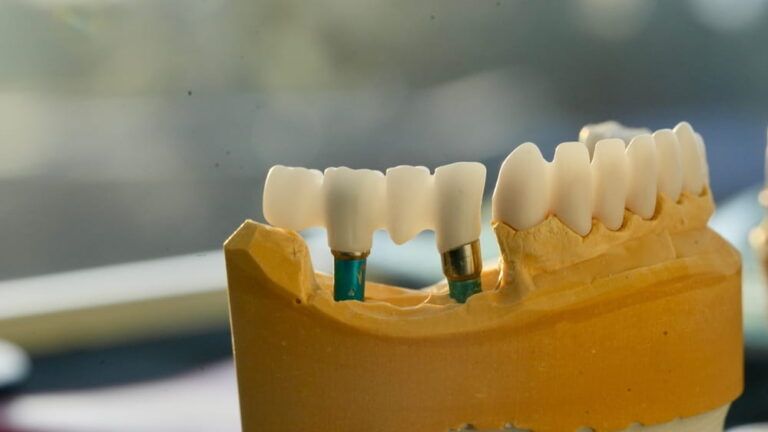
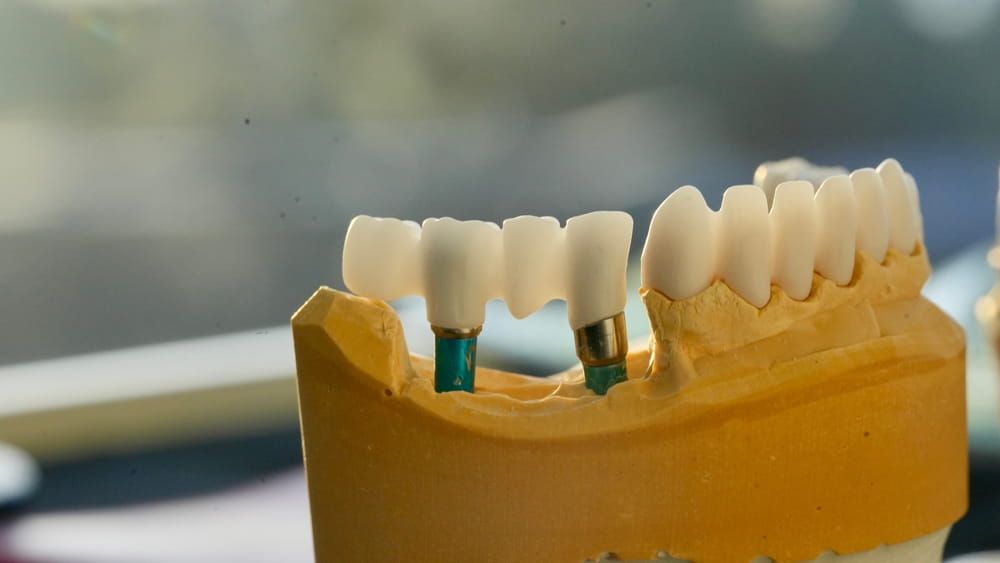
Patients exploring tooth replacement options often compare traditional dentures with newer solutions that offer greater stability. At Weare Family Dentistry in Weare, NH, many people want to understand why implant-retained dentures are often described as more comfortable. Unlike conventional dentures that rest on the gums, implant-retained dentures attach to dental implants placed in the jawbone. This creates a stronger foundation and reduces many of the common frustrations associated with removable dentures.
Traditional dentures can still be effective, but some wearers experience slipping, pressure points, clicking sounds, or difficulty eating certain foods. Implant-retained dentures were developed to address these concerns. By anchoring the denture in place, they help create a more natural and dependable fit during daily life.
Improved Stability During Everyday Activities
One of the biggest comfort benefits is reduced movement. Standard dentures may shift while speaking, laughing, or chewing. Even a small amount of movement can cause irritation and make wearers feel self-conscious. Implant-retained dentures snap or attach securely to implants, helping them stay in place more consistently.
This added stability often means less need for denture adhesives and fewer worries about dentures moving at the wrong moment. Many patients report feeling more relaxed in social settings because they are not constantly thinking about whether their dentures will slip. A secure fit can also make speech feel more natural over time.
Everyday Advantages of Better Stability
- Less slipping while talking or eating
- Reduced gum irritation from movement
- Greater confidence in public settings
- Less dependence on adhesives
- More predictable day-to-day comfort
Better Chewing and Food Enjoyment
Chewing ability can significantly affect quality of life. Traditional dentures may limit food choices because harder or chewier foods can be difficult to manage. Since implant-retained dentures are anchored more securely, many patients find it easier to bite and chew a wider variety of foods.
Being able to eat more comfortably can support better nutrition and enjoyment of meals. While some foods may still require caution, many people appreciate having more options than they did with loose-fitting dentures. Regular checkups and maintenance can help ensure the fit remains comfortable and functional.
Support for Jawbone and Facial Structure
Another important advantage involves the jawbone. When teeth are missing, the bone that once supported them can gradually shrink over time. Traditional dentures do not stop this process. Dental implants stimulate the jawbone in a way similar to natural tooth roots, helping reduce bone loss.
This support may improve long-term comfort because changes in jaw shape can affect how dentures fit. Bone loss can lead to looseness, sore spots, and the need for frequent adjustments. Implant support may also help maintain facial contours, reducing the sunken appearance that can happen after long-term tooth loss. For some patients, this benefit is just as meaningful as improved chewing.
Is This Option Right for Everyone?
Not every patient is an immediate candidate for implant-retained dentures. Factors such as overall health, bone volume, gum health, and treatment goals all matter. Some individuals may need extra planning or procedures before implants are placed. Others may still do very well with traditional dentures depending on their needs and budget.
A complete evaluation is the best way to understand available options. Services such as Dental Implants, Immediate Dentures, and regular Dental Exams / Check-Up can all play a role in rebuilding oral health.
Final Thoughts for Patients
Comfort is one of the main reasons patients consider implant-retained dentures. Greater stability, easier chewing, reduced irritation, and better long-term support can make a major difference in everyday life. While treatment planning is individualized, many people find this option closer to the feel and function of natural teeth than traditional removable dentures.
If you are comparing replacement options, Weare Family Dentistry in Weare, NH can help explain the pros and considerations of each approach. Understanding your choices is the first step toward a healthier, more confident smile.
Resources
Feine, J. S., Carlsson, G. E., Awad, M. A., et al. (2002). The McGill consensus statement on overdentures. International Journal of Prosthodontics.
Thomason, J. M., Kelly, S. A. M., Bendkowski, A., & Ellis, J. S. (2012). Two implant retained overdentures—a review of the literature. Journal of Dentistry.
Kutkut, A., Bertoli, E., Frazer, R., et al. (2018). Patient-reported outcomes with implant-supported overdentures. Journal of Prosthodontics.