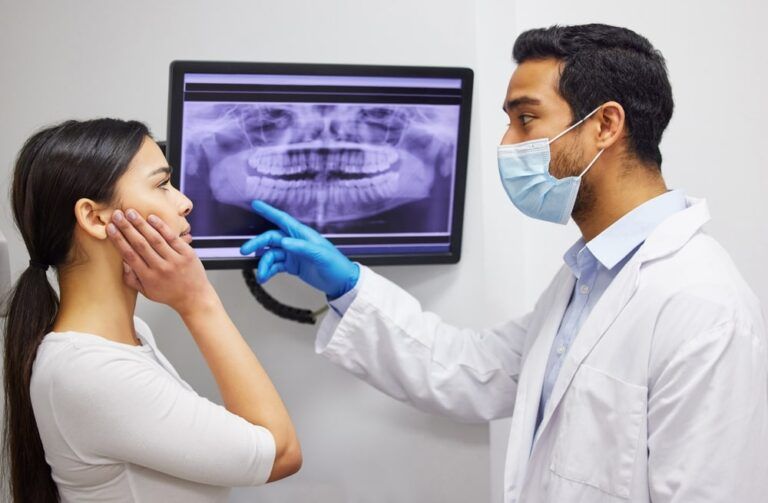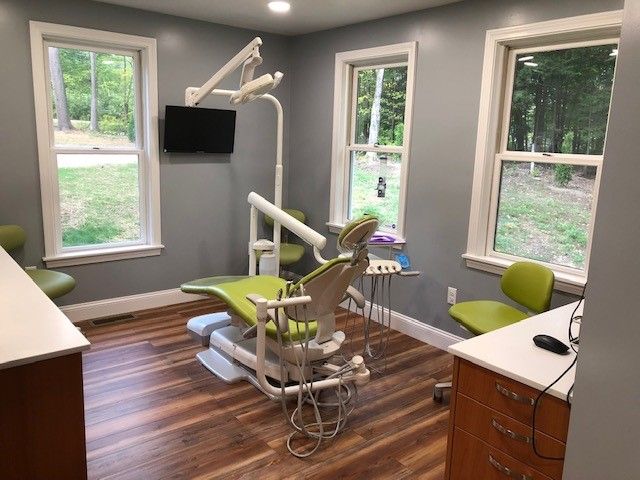

At Weare Family Dentistry in Weare, NH, Dr. Esin Narli often reminds patients that snoring isn’t always just a nighttime nuisance—it can sometimes indicate underlying dental or oral health concerns. While occasional snoring may seem harmless, persistent snoring can be a sign of obstructive issues in the airway or misalignment of oral structures. Understanding the connection between dental health and snoring can help patients take action before complications arise.
How Dental Alignment Affects Snoring
Misaligned teeth or jaws can contribute to airway obstruction during sleep, leading to snoring. For example, an overbite, underbite, or crowded teeth can push the tongue or soft tissues toward the back of the throat, restricting airflow. This restriction can create vibrations that result in the snoring sound.
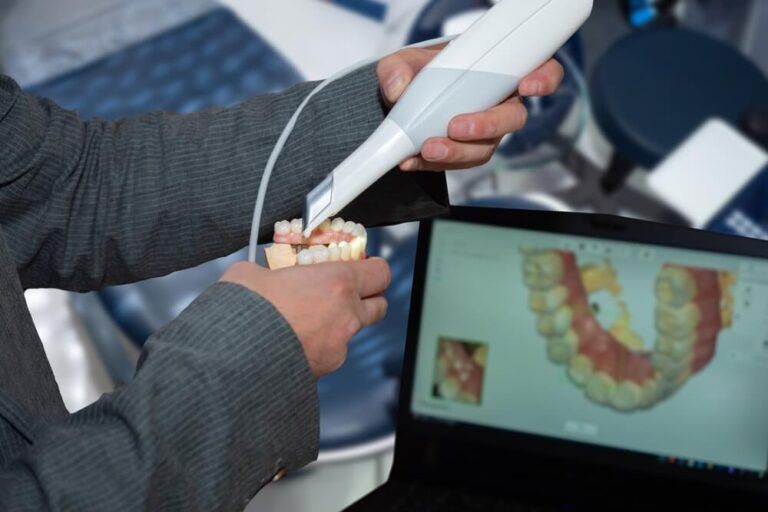
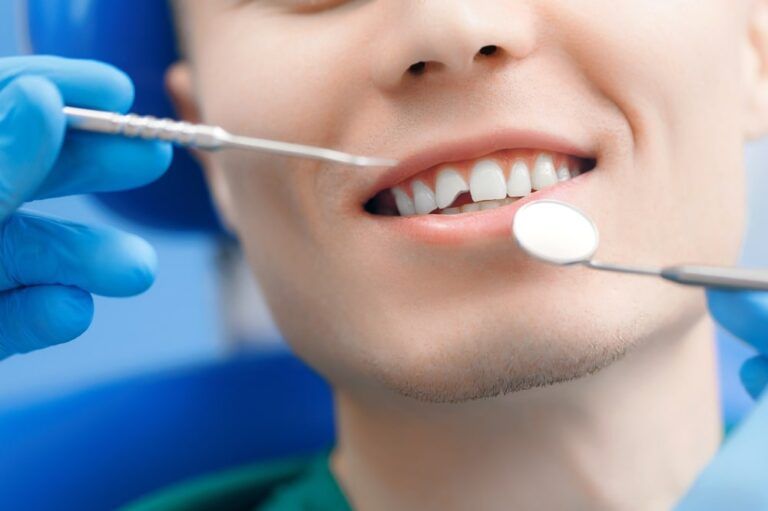
Addressing these alignment issues sometimes falls under the realm of preventive dental care. Regular dental exams allow dentists to monitor bite alignment and oral structures, while treatments like dental crowns or dental bridges may indirectly help by correcting structural imbalances that worsen snoring. Proper dental evaluation ensures that these issues are identified early before they lead to more serious conditions like obstructive sleep apnea.
Oral Appliances as a Solution
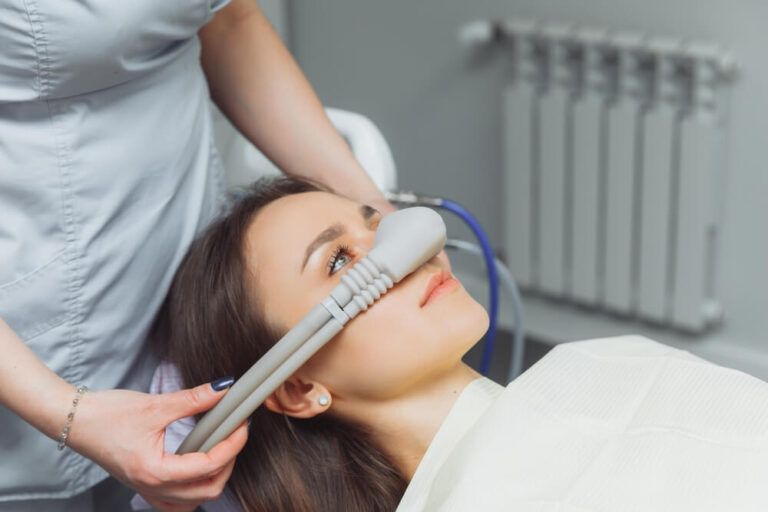
Many dental-related snoring problems can be managed with oral appliances designed to reposition the jaw and tongue to keep the airway open during sleep. These devices are custom-fitted to ensure comfort and effectiveness. While they are not a universal fix, they often provide significant relief for patients whose snoring is linked to dental issues.
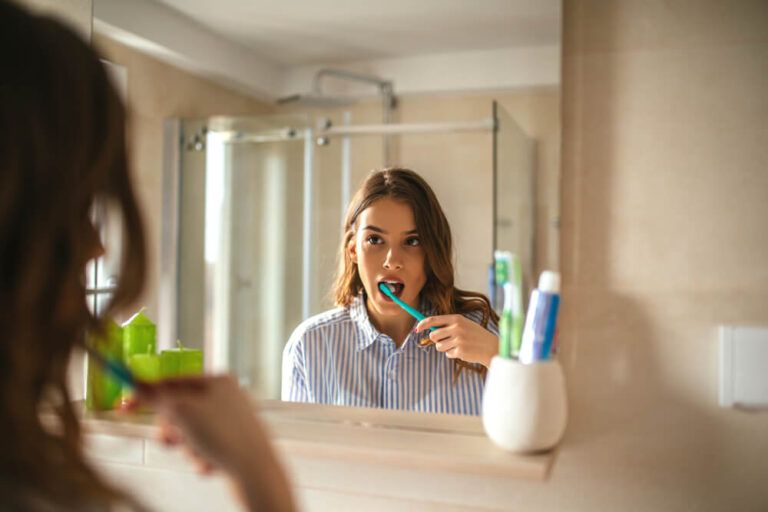
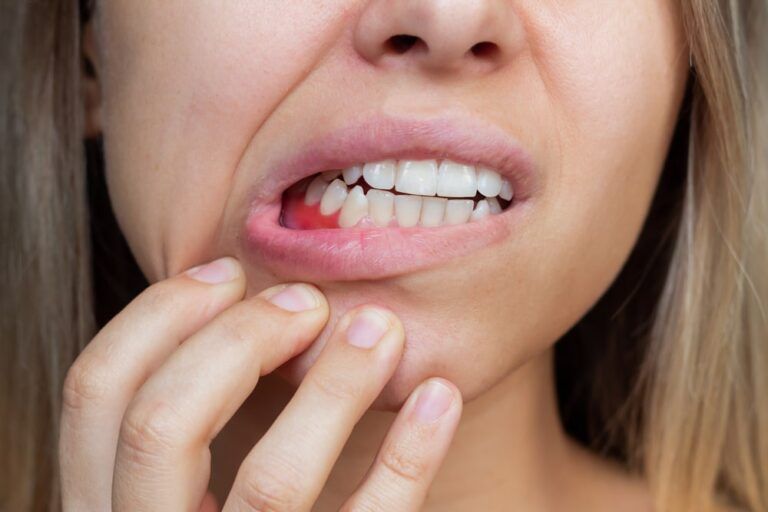
In addition to appliance therapy, maintaining oral hygiene is critical. Poor oral hygiene can contribute to inflammation in the soft tissues of the mouth, which may worsen snoring by narrowing the airway further. Routine cleanings and preventive care also allow your dentist to monitor the condition of your gums and teeth, preventing other problems that could complicate airway management.
When Snoring Signals a Bigger Problem
Occasional snoring is common, but persistent snoring, especially when accompanied by daytime fatigue, morning headaches, or difficulty breathing, can signal sleep apnea. Untreated sleep apnea carries health risks including cardiovascular strain, high blood pressure, and impaired cognitive function. Dental evaluation can be the first step in identifying whether snoring is part of a more serious condition requiring specialized care.
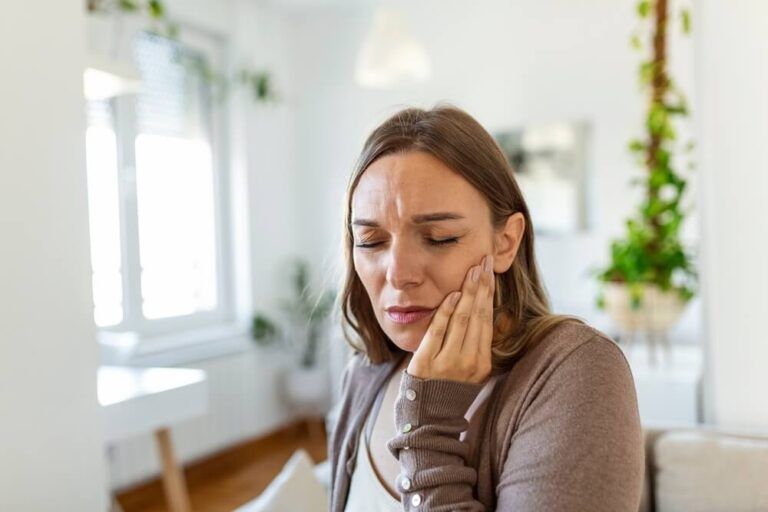
Other warning signs to watch for include teeth grinding (bruxism), jaw pain, or chronic dry mouth. These issues are often linked to misaligned bites or stress on the jaw muscles, which a dentist can assess and manage. Early intervention can prevent long-term damage and improve sleep quality and overall health.
Supporting Healthy Sleep Through Dentistry
Dental professionals play an important role in evaluating and managing snoring-related problems. From bite assessments during dental check-ups to the use of custom oral devices, dental care can address the structural and functional issues contributing to snoring. Taking proactive steps to address dental factors can improve not only your sleep but also your overall oral health.
At Weare Family Dentistry in Weare, NH, Dr. Esin Narli emphasizes that snoring should not be ignored. By identifying the dental connections to sleep disturbances early, patients can receive targeted care that promotes healthier sleep patterns and better oral health outcomes.
Resources:
American Academy of Sleep Medicine. (2014). Sleep apnea and oral appliances. Journal of Clinical Sleep Medicine, 10(6), 679–688.
Gotsopoulos, H., Chen, C. Y., Qian, J., & Cistulli, P. A. (2002). Oral appliances for obstructive sleep apnea: A review. Sleep, 25(2), 145–152.
Fitzpatrick, M. A., & McLean, H. (2016). Dental considerations in patients with sleep-disordered breathing. Dental Clinics of North America, 60(4), 873–887.