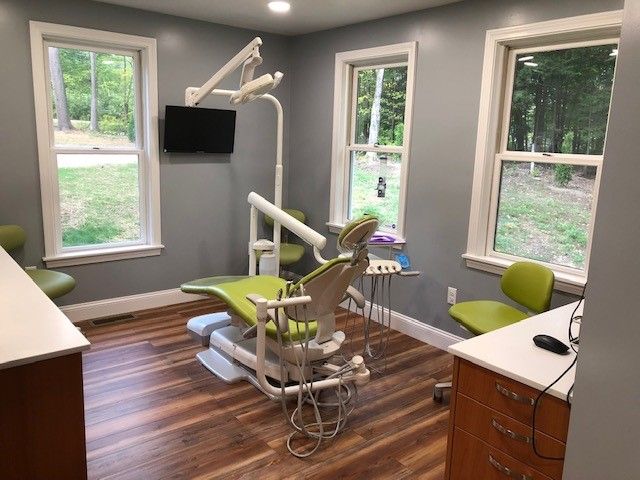
At Weare Family Dentistry in Weare, NH, we often emphasize the importance of preventive care to maintain a healthy, confident smile. One of the most powerful tools in protecting teeth from decay is fluoride. Fluoride is a natural mineral that plays a crucial role in strengthening enamel and preventing cavities, making it a cornerstone of dental health for both children and adults. Understanding how fluoride works and how it can be incorporated into daily oral hygiene routines can help families make informed decisions about their dental care.
Fluoride’s benefits extend beyond brushing and toothpaste. When combined with regular dental exams and check-ups and consistent oral hygiene, fluoride helps create a strong defense against harmful bacteria that lead to tooth decay. For parents, incorporating fluoride into your child’s routine alongside child dentistry services ensures young smiles develop with lasting protection.
How Fluoride Strengthens Enamel
Fluoride works at a microscopic level to protect teeth from decay. Enamel, the outer layer of the tooth, is constantly under attack from acids produced by bacteria in plaque. These acids can demineralize the enamel, making teeth more susceptible to cavities. Fluoride helps by penetrating the enamel and promoting remineralization, a process that rebuilds and strengthens weakened areas. This not only helps repair early damage but also makes teeth more resistant to future acid attacks.
Regular exposure to fluoride can occur through various means, including fluoridated drinking water, toothpaste, and certain professional treatments. When fluoride interacts with enamel, it forms a stronger mineral compound called fluorapatite, which is less soluble in acid than the natural enamel. This biochemical reinforcement is a key reason why fluoride is considered one of the most effective preventive measures in modern dentistry. Combining fluoride with routine preventive treatments like dental sealants further reduces the risk of cavities, especially in children’s molars where chewing surfaces are most vulnerable.
The Role of Fluoride in Cavity Prevention
Fluoride not only strengthens enamel but also helps prevent cavities from forming in the first place. Acidic byproducts from sugar and bacteria can create tiny holes in teeth over time. Fluoride disrupts this cycle by inhibiting the ability of bacteria to produce these acids. This dual effect—remineralizing enamel and neutralizing bacterial threats—makes fluoride an essential ally in maintaining oral health.
For patients at higher risk of decay, professional fluoride treatments provide a concentrated dose of protection. These treatments can complement everyday fluoride use from toothpaste and mouth rinses. Integrating these treatments with preventive practices like gum disease management helps ensure that teeth and gums are simultaneously protected, reducing the risk of cavities, sensitivity, and other oral health issues.
Fluoride for Children and Adults
Fluoride is beneficial for all ages, but its role in early dental development is particularly significant. For children, fluoride helps strengthen newly forming teeth, making them more resistant to decay during critical developmental years. It works best in combination with other preventive measures, such as proper brushing habits, child dentistry, and periodic dental exams and check-ups.
Adults also benefit from fluoride treatments, particularly those prone to cavities or experiencing enamel erosion from acidic foods, beverages, or conditions like dry mouth. Consistent fluoride use supports long-term dental health and can reduce the need for restorative treatments such as dental fillings or dental crowns. Maintaining fluoride exposure as part of a comprehensive oral health plan ensures teeth remain strong and less vulnerable to decay throughout life.
Tips for Maximizing Fluoride Benefits
To get the most out of fluoride, patients can integrate a few simple strategies into their daily routine:
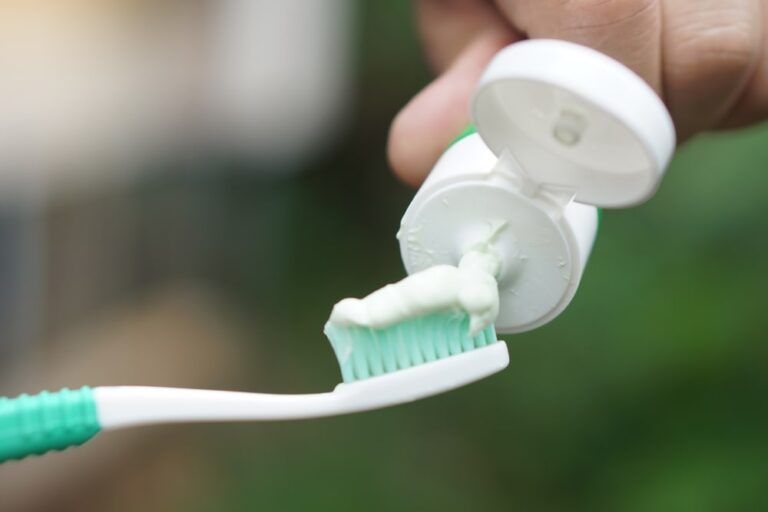
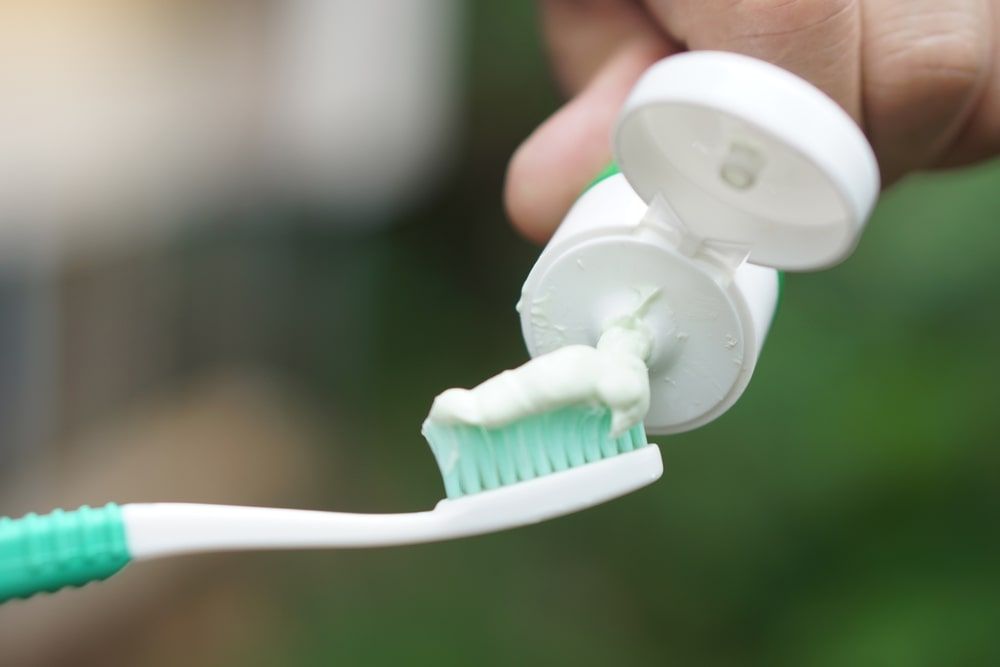
- Use fluoride toothpaste twice a day and avoid rinsing immediately after brushing to allow fluoride to remain on teeth longer.
- Drink fluoridated water when available.
- Schedule regular dental exams and check-ups to monitor fluoride effectiveness and overall oral health.
- For children, consider fluoride varnish applications during child dentistry visits to reinforce developing enamel.
By following these steps, patients can enhance the natural protective benefits of fluoride while reducing the risk of decay and costly restorative procedures.
Fluoride as a Key to Lifelong Dental Health
Fluoride remains one of the most effective ways to protect teeth from decay, whether for children in Weare, NH starting their dental journey or adults looking to maintain a strong, healthy smile. Combined with regular oral hygiene, consistent check-ups, and preventive measures like dental sealants, fluoride helps ensure teeth stay strong and resilient against daily challenges. At Weare Family Dentistry, we emphasize education and preventive care to help our patients harness the benefits of fluoride for a lifetime of healthy smiles.
Resources:
- Featherstone, J. D. B. (2000). The science and practice of caries prevention. Journal of the American Dental Association.
- Ten Cate, J. M. (1999). Current concepts on the theories of the mechanism of action of fluoride. Acta Odontologica Scandinavica.
- CDC. (2020). Community Water Fluoridation. Centers for Disease Control and Prevention.