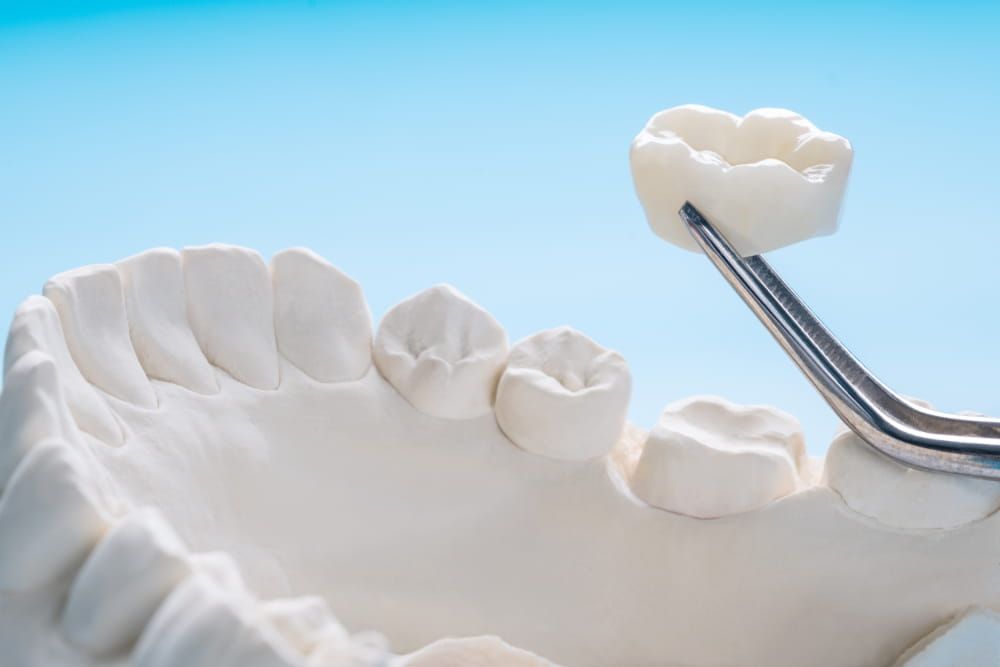
At Weare Family Dentistry in Weare, NH, patients often ask whether a damaged tooth needs a filling or a crown. Both treatments are designed to restore teeth, but they serve different purposes depending on the amount of damage, the location of the tooth, and the long-term strength needed. A filling is commonly used when decay or damage is smaller and enough healthy tooth structure remains. A crown covers the visible portion of the tooth and provides more complete protection.
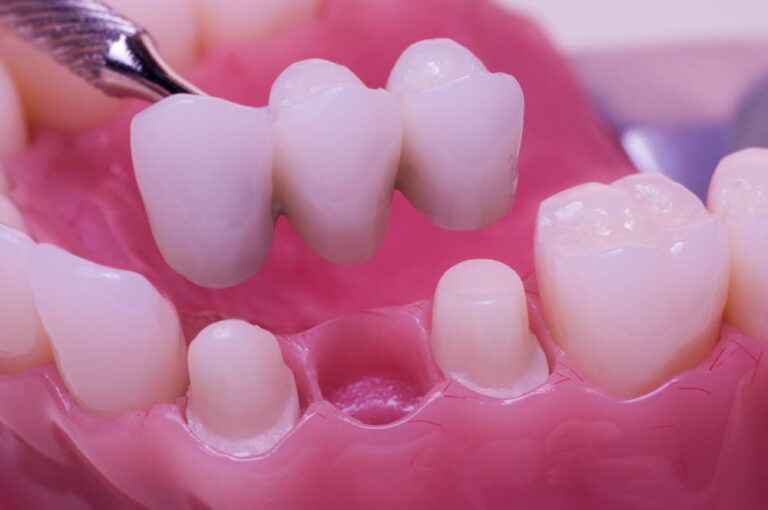
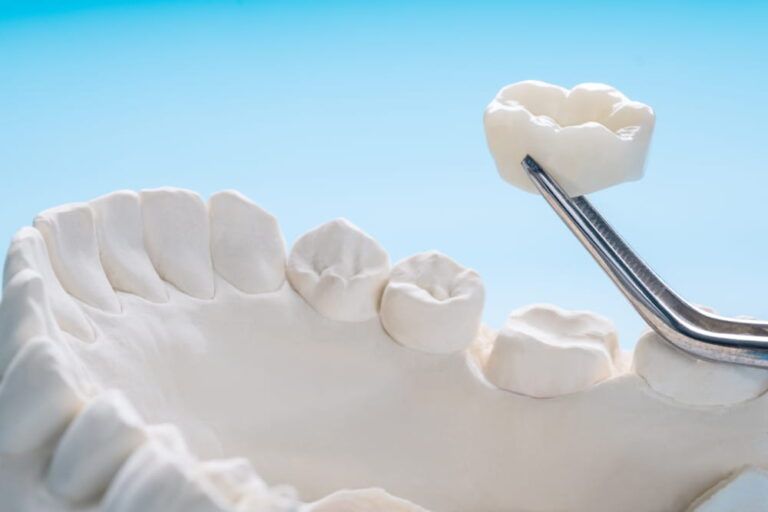
Think of a filling as a repair for a limited area, while a crown acts more like a protective shell. Fillings replace decayed or broken portions of the tooth, but they rely on the surrounding natural tooth for support. Crowns are used when the tooth itself needs reinforcement because the remaining structure may no longer be strong enough to handle normal biting forces. Understanding this difference can help patients make informed decisions about treatment.
Signs a Crown May Be the Better Choice
There are situations where a crown is often the stronger and safer option. If a tooth has a large cavity, multiple old fillings, or visible cracks, a filling may not provide enough support. Back teeth that absorb heavy chewing pressure are especially vulnerable when weakened. In these cases, a Dental Crown can help prevent future fractures and preserve the tooth.
A crown may also be recommended after a root canal because the tooth can become more brittle over time. Teeth that have been worn down by grinding or weakened from repeated repairs may benefit from full coverage instead of another filling. Common reasons a crown may be preferred include:
- Large areas of decay
- Cracked or fractured teeth
- Worn teeth from grinding
- Teeth with multiple older fillings
- Teeth treated with root canal therapy
- Teeth needing improved shape and function
Why Strength and Longevity Matter
One of the biggest advantages of a crown is durability. While modern Dental Fillings are highly effective, larger fillings can place stress on the remaining tooth walls. Over time, those thin walls may chip or break. A crown redistributes pressure across the tooth and helps reduce that risk.
Longevity also matters when comparing treatment options. A filling may need replacement sooner if the tooth continues to weaken or if recurrent decay develops around the edges. Crowns often last many years with proper care, making them a valuable long-term solution for heavily damaged teeth. Regular Dental Exams / Check-Up visits help detect wear early and keep restorations in good condition.
Choosing the Right Treatment for Your Tooth
The best treatment depends on the individual tooth, not just the size of the cavity. Dentists evaluate how much healthy tooth remains, bite pressure, tooth position, and future risk of breakage. In some cases, a filling is the most conservative and effective choice. In others, a crown helps avoid more serious complications later.
For patients in Weare, NH, learning the reasons behind each recommendation can make treatment decisions easier. At Weare Family Dentistry, understanding whether a crown or filling is right for a tooth begins with a careful evaluation and a focus on preserving natural teeth whenever possible. The goal is always comfort, function, and lasting oral health.
Resources
Burke, F. J. T. (2012). Survival rates for restorations placed in general dental practice. British Dental Journal.
Mjör, I. A., & Toffenetti, F. (2000). Secondary caries: A literature review. Quintessence International.
Rosenstiel, S. F., Land, M. F., & Fujimoto, J. (2006). Contemporary Fixed Prosthodontics. Mosby.