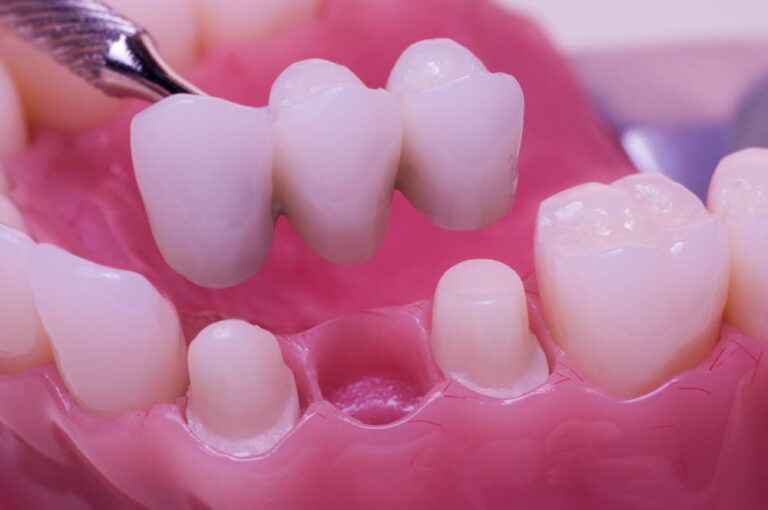
Patients visiting Weare Family Dentistry in Weare, NH may hear about fillings, crowns, or implants more often than inlays and onlays, yet these restorations can be an excellent solution for certain teeth. Inlays and onlays are custom-made restorations used to repair damage caused by decay, cracks, or wear when a standard filling may not be strong enough but a full crown may remove more tooth structure than necessary. They are designed to fit precisely into or onto the damaged area of a tooth.
The goal of modern dentistry is often to preserve as much healthy tooth structure as possible. Inlays and onlays support that philosophy by strengthening the tooth while avoiding unnecessary removal of natural enamel. They are commonly made from porcelain, composite resin, or gold, though tooth-colored porcelain is especially popular because it blends naturally with surrounding teeth.
The Difference Between Inlays and Onlays
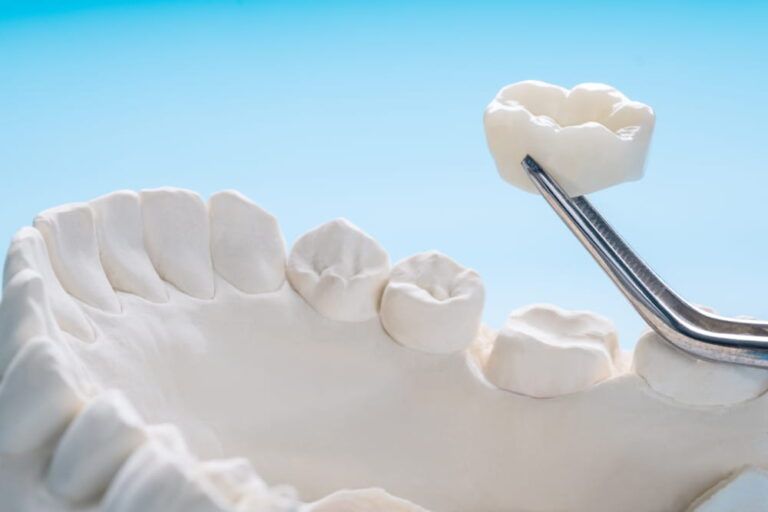
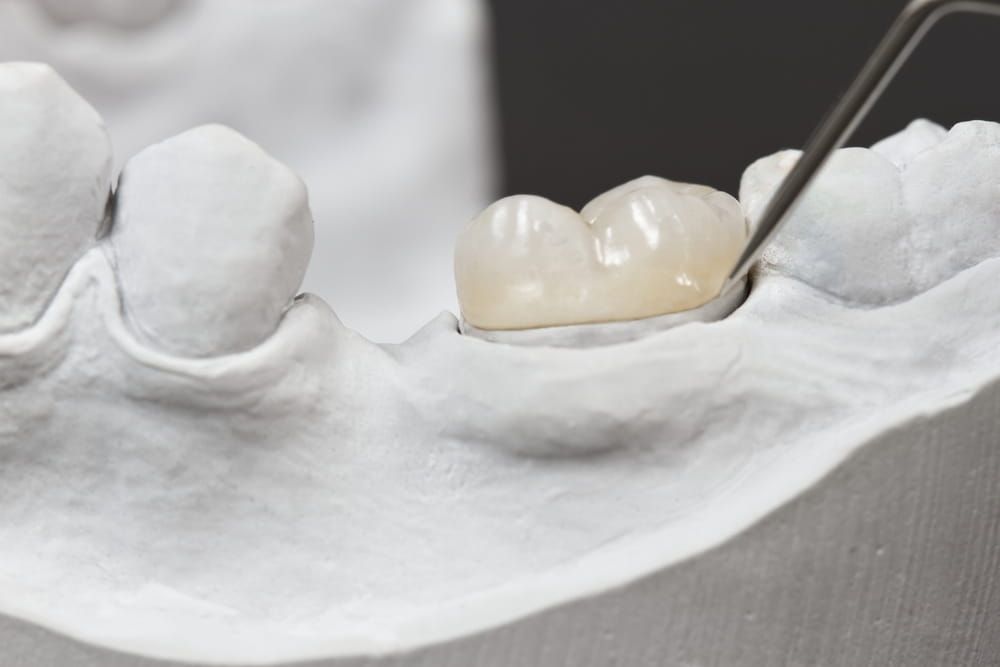
Although the terms are often grouped together, they are slightly different. A dental inlay fits within the grooves between the cusps, or raised points, of a tooth. It is used when the damage is contained in the center portion of the chewing surface. An onlay covers a larger area and may extend over one or more cusps, making it useful when damage is more extensive.
A simple way to think about it is that an inlay is larger and stronger than a filling, while an onlay is a partial alternative to a crown. Both are custom fabricated to match the tooth exactly, which can create a tight seal and durable result.
Common Reasons They May Be Recommended
- Large cavity that is too big for a standard filling
- Cracked or fractured tooth structure
- Worn chewing surfaces from grinding
- Replacement of failing older fillings
- Desire for a natural-looking restoration
What the Treatment Process Usually Looks Like
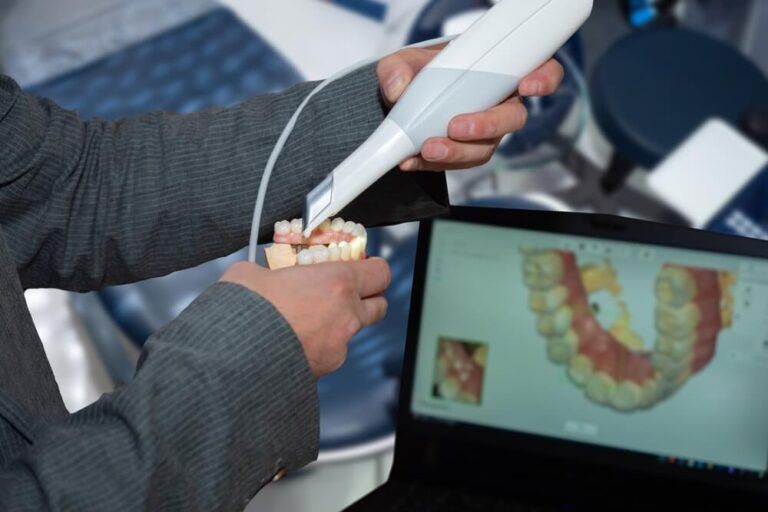
Treatment often takes two visits, although some offices use same-day digital technology. During the first appointment, the dentist removes damaged or decayed material and shapes the tooth. An impression or digital scan is then taken so the restoration can be made with precise measurements. A temporary restoration may be placed while the final one is being created.
At the second visit, the inlay or onlay is bonded securely to the tooth and adjusted for a comfortable bite. Because the restoration is custom-made, it often feels natural once the patient gets used to it. Regular Dental Exams / Check-Up visits help ensure the restoration remains in good condition over time.
How They Compare to Fillings and Crowns
Fillings are effective for small areas of decay, but they may not provide enough support for larger damaged areas. Crowns are valuable when a tooth is severely weakened, but they require reshaping more of the tooth. Inlays and onlays often fit in the middle ground, offering strength while preserving more natural structure.
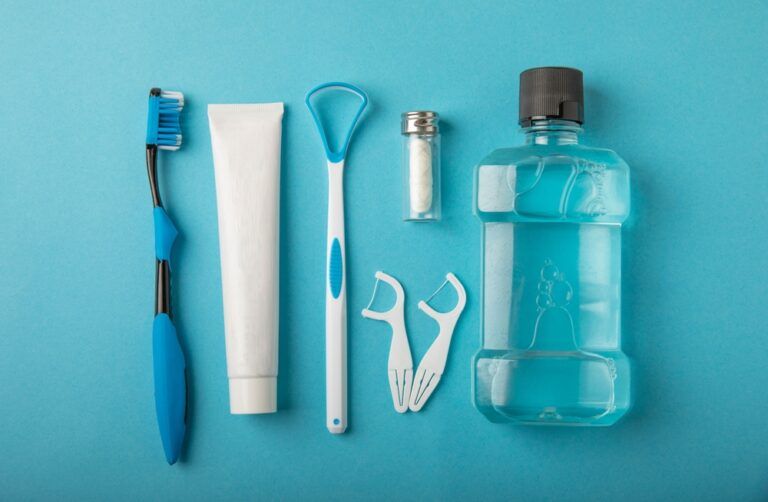
For many patients, this balance makes them an attractive option. Good Oral Hygiene habits, avoiding chewing hard objects, and addressing grinding habits can help restorations last for many years.
Final Thoughts for Patients
Understanding your options helps you make informed dental decisions. Inlays and onlays are not as widely discussed as fillings or crowns, but they can be an excellent restorative choice when a tooth needs more support without full coverage. The best treatment depends on the size of the damage, the tooth involved, and long-term goals for oral health.
If you have questions about worn, cracked, or decayed teeth, Weare Family Dentistry in Weare, NH can help guide you through available solutions and explain what may be most appropriate for your situation. Learning about treatment choices is an important step toward protecting your smile for years to come.
Resources
Mjor, I. A., & Gordan, V. V. (2002). Failure, repair, refurbishing and longevity of restorations. Operative Dentistry.
Lynch, C. D., & Wilson, N. H. F. (2013). Managing the phase-down of amalgam: Part I. Educational and training issues. British Dental Journal.
Magne, P., & Belser, U. (2003). Porcelain versus composite inlays/onlays: Effects of mechanical loads. Journal of Prosthetic Dentistry.