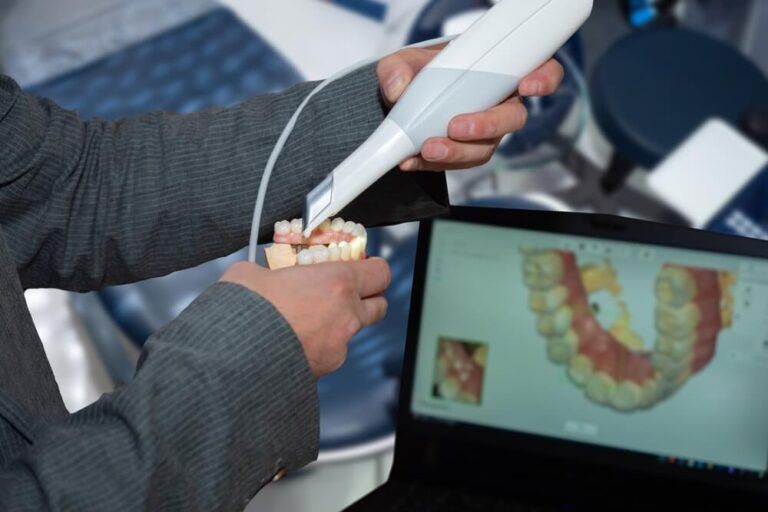
Dental sealants are often thought of as a preventive treatment exclusively for children. After all, they are widely promoted in pediatric dental visits and school dental programs. However, the purpose of a sealant—to protect teeth from decay—makes it valuable for people of all ages. A sealant is a thin protective coating applied to the chewing surfaces of the back teeth, where grooves and pits are prone to trapping food and bacteria. These areas are the most common sites for cavities, and once decay starts, it can be more difficult and expensive to treat. Adults who struggle with deep grooves in their molars or have a history of cavities can benefit just as much as children from this protective measure.
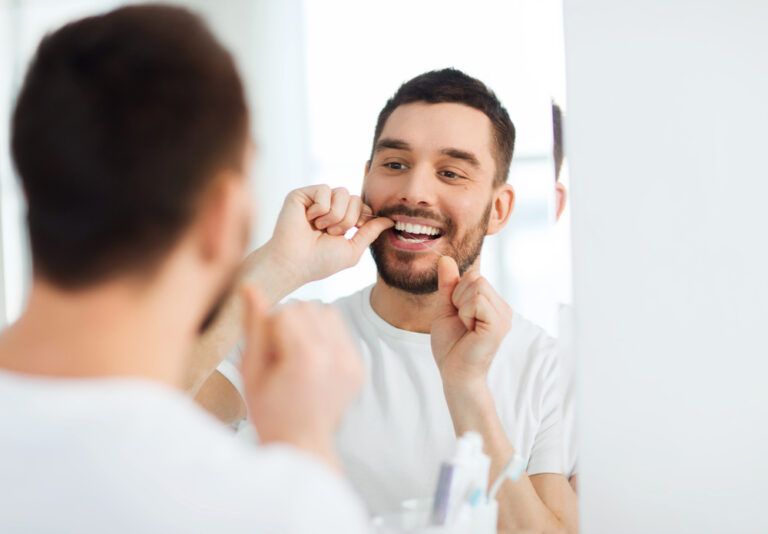
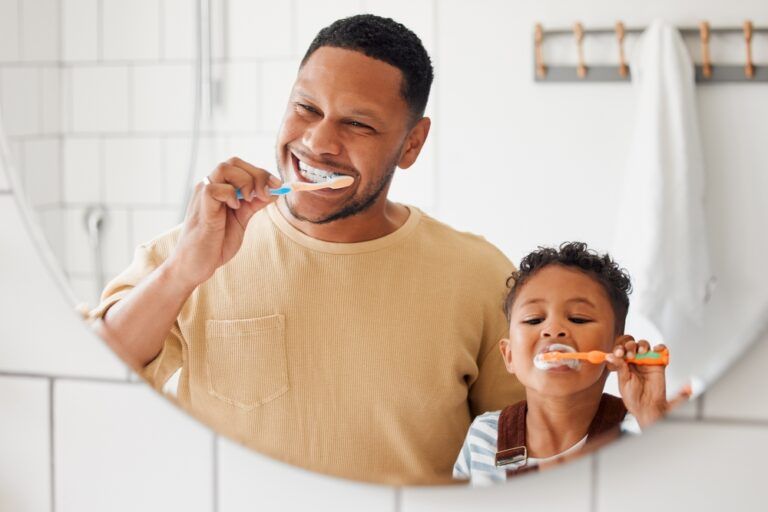
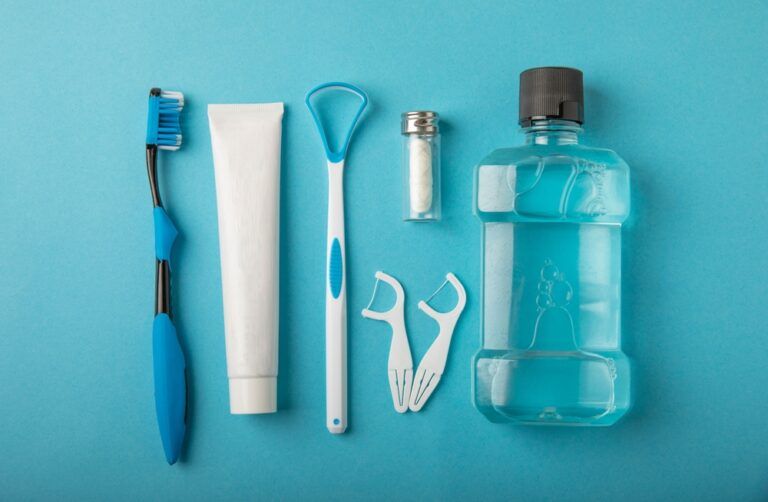
Sealants are especially helpful in preventing decay in newly erupted teeth. While this is critical for children, adults who get wisdom teeth or experience wear and tear on molars may find sealants useful in maintaining their oral health. Maintaining good oral hygiene at home, including proper brushing and flossing, complements the protection sealants offer. Regular dental exams ensure that any areas at risk for decay are identified early, making sealants a proactive tool for preserving healthy teeth.
Sealants for Adults: Why They Matter
Many adults assume that if they’ve maintained good oral hygiene, they don’t need sealants. While brushing and flossing are critical, some people have deep grooves in their molars that are difficult to clean thoroughly. These spots remain vulnerable to decay despite meticulous care. Applying a sealant fills these grooves, creating a smooth surface that is easier to clean and less likely to develop cavities. Adults who have previously received dental fillings may find sealants beneficial on neighboring teeth to prevent further decay.
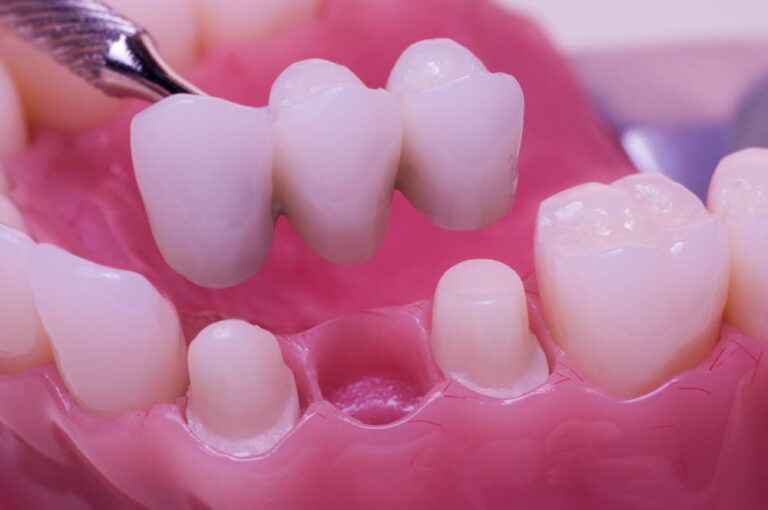
Furthermore, dental sealants are a non-invasive and cost-effective preventive measure. Unlike procedures such as dental crowns or dental implants, sealants do not require drilling or significant alteration of the tooth structure. This makes them ideal for adults who want to avoid more extensive dental work in the future. Additionally, people with conditions that increase cavity risk, such as dry mouth or gum issues, can benefit from sealants as part of a comprehensive preventive plan alongside routine oral hygiene care.
Common Questions About Sealants
One question patients often ask is, “Do sealants last forever?” While dental sealants are durable, they do wear over time. Regular check-ups allow dentists to inspect sealants for wear or damage and reapply them if necessary. Sealants generally last several years and provide long-term protection when maintained properly.
Another consideration is whether sealants are only for molars. While molars are the most common teeth treated due to their deep grooves, premolars and even some adults’ teeth at higher risk for decay can be sealed. Sealants are versatile and can be part of a broader preventive strategy, which includes child dentistry guidance for families and routine check-ups for adults. For those concerned about cosmetic appearance, sealants are tooth-colored and virtually invisible, making them a discreet preventive option.
Taking a Preventive Approach to Oral Health
Sealants are most effective when combined with other preventive measures. Maintaining a consistent schedule of dental exams allows dentists to monitor teeth for early signs of decay, while proper oral hygiene at home ensures long-lasting protection. Diet also plays a role; reducing sugary snacks and acidic drinks helps sealants work even better.
Ultimately, dental sealants are not just a pediatric tool—they are a preventive strategy for anyone concerned about cavities. Both children and adults in Weare, NH, can enjoy the long-term benefits of sealants as part of a comprehensive oral health routine. Understanding the role of sealants empowers patients to make informed choices about their dental care and minimize the risk of costly restorative treatments in the future.
Weare Family Dentistry, under the guidance of Dr. Esin Narli, emphasizes that preventive care doesn’t have an age limit. Sealants, alongside regular dental exams and proper hygiene practices, can safeguard smiles for a lifetime.
Resources
McLaughlin, K. A., & Nolen-Hoeksema, S. (2011). Rumination as a Transdiagnostic Factor in Depression and Anxiety. Behavior Research and Therapy.
American Dental Association. (2020). Sealants: A Safe Way to Prevent Cavities. ADA.org.
Wright, J. T., et al. (2016). Evidence-Based Clinical Recommendations for the Use of Pit-and-Fissure Sealants. Journal of the American Dental Association, 147(8), 672-682.