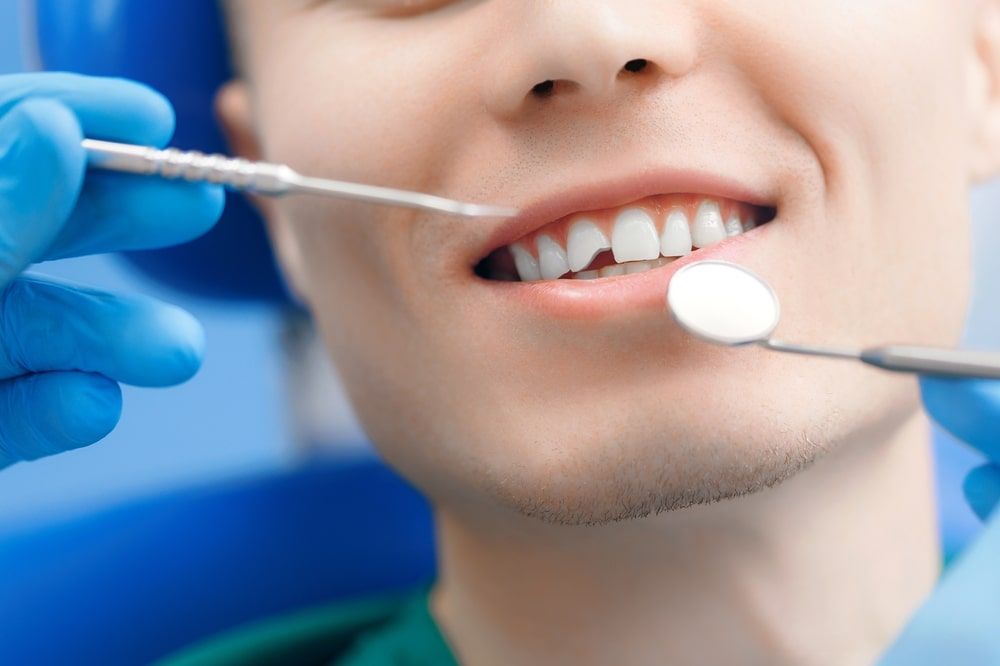
At Weare Family Dentistry in Weare, NH, protecting and restoring your teeth is a priority. Cracked teeth are a common dental problem that can range from minor surface fractures to deeper cracks that affect the pulp. If left untreated, cracks can worsen, leading to pain, sensitivity, or even tooth loss. Understanding how dentists repair cracked teeth and the options available can help patients seek timely care and maintain a healthy, functional smile.
Cracked teeth can occur due to a variety of factors, including biting down on hard foods, grinding or clenching teeth, or accidental trauma. Early detection through regular dental exams and check-ups is essential to prevent further damage. Preventive measures, such as oral hygiene practices and avoiding excessive stress on teeth, can also reduce the likelihood of cracks.
Types of Cracks and Their Risks
Not all cracks are the same, and treatment depends on the location and severity of the fracture. Common types include:
- Craze lines: Superficial cracks that affect only the enamel.
- Fractured cusps: Cracks in the chewing surface of a tooth that may not reach the pulp.
- Cracked tooth syndrome: Cracks that extend into the inner layers of the tooth, often causing pain when biting.
- Vertical root fractures: Cracks that extend below the gumline and can threaten the entire tooth structure.
Even minor cracks like craze lines can benefit from monitoring and protective measures. More serious cracks often require restorative intervention to prevent bacterial infection and further damage. Early evaluation through dental exams and check-ups can identify cracks before they worsen, allowing dentists to recommend the most effective repair method.
How Dentists Repair Cracked Teeth
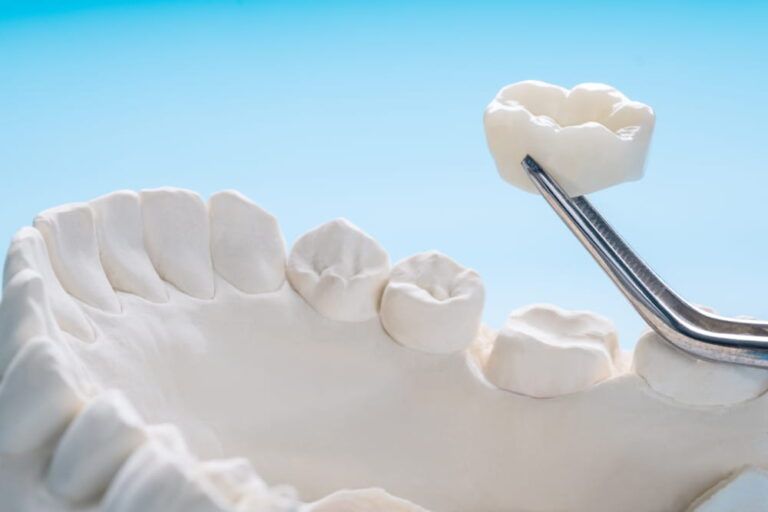
The repair method depends on the severity of the crack. For minor cracks, cosmetic solutions such as dental bonding can fill small fractures and restore a tooth’s appearance and function. For larger cracks, dentists may recommend protective restorations such as dental crowns to cover the tooth, strengthen it, and prevent the crack from worsening.
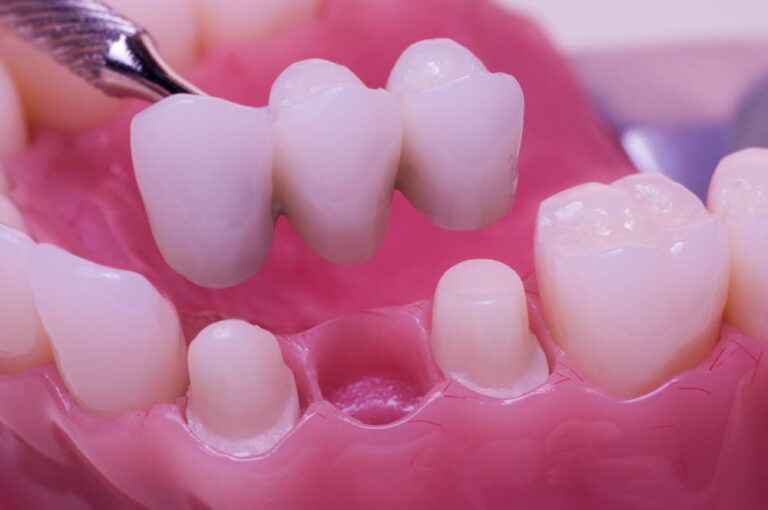
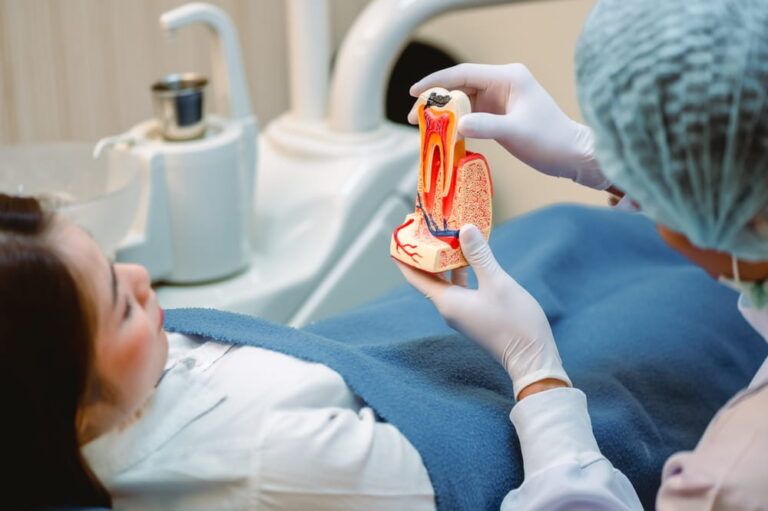
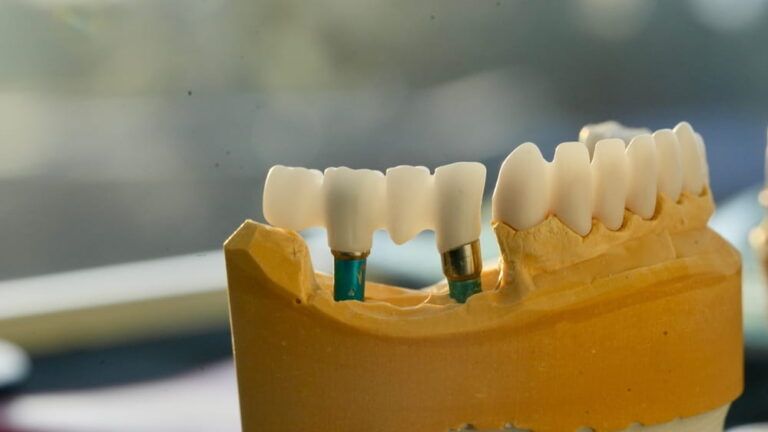
In cases where a crack extends into the pulp, root canal treatment may be necessary before placing a crown. This process removes damaged or infected tissue inside the tooth and allows the structure to be rebuilt safely. If a tooth is too damaged to save, procedures such as tooth extractions followed by dental implants or dental bridges can restore functionality and aesthetics.
Preventing Cracks in the Future
Prevention is always better than repair. Maintaining strong teeth through proper oral hygiene practices, avoiding hard or sticky foods, and protecting teeth from trauma can reduce the risk of cracks. Nightguards may also help prevent damage from teeth grinding, particularly in adults. Regular monitoring through dental exams and check-ups ensures that any early signs of stress or microfractures are addressed before they become serious problems.
Children may also be prone to cracks from sports or accidents, so integrating protective measures into child dentistry routines can help safeguard young teeth. Early education on proper chewing habits and protective gear can make a lasting difference in long-term dental health.
Conclusion: Restoring Cracked Teeth for Lasting Smiles
Cracked teeth are a common yet manageable dental issue. With timely detection, preventive care, and appropriate restorative treatments such as dental bonding or dental crowns, patients in Weare, NH can maintain strong, healthy smiles. At Weare Family Dentistry, understanding how dentists repair cracked teeth helps our patients feel confident in taking action before cracks cause pain or further damage. Combining preventive strategies with modern restorative solutions ensures teeth remain durable, functional, and beautiful for years to come.
Resources:
- American Dental Association. (2021). Cracked Tooth Syndrome. ADA.org.
- Cohenca, N., & Munoz, C. A. (2007). Cracked teeth: Diagnosis and treatment. Dental Clinics of North America.
- Lovdahl, P. E. (2010). Endodontic considerations in the treatment of cracked teeth. Journal of Endodontics.