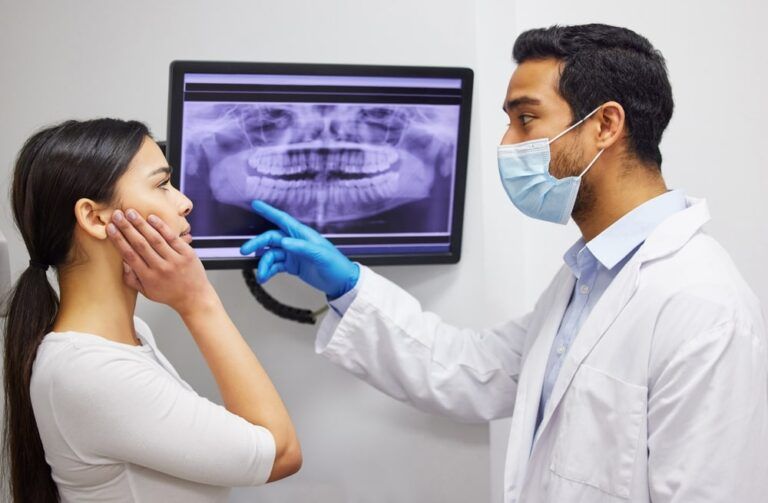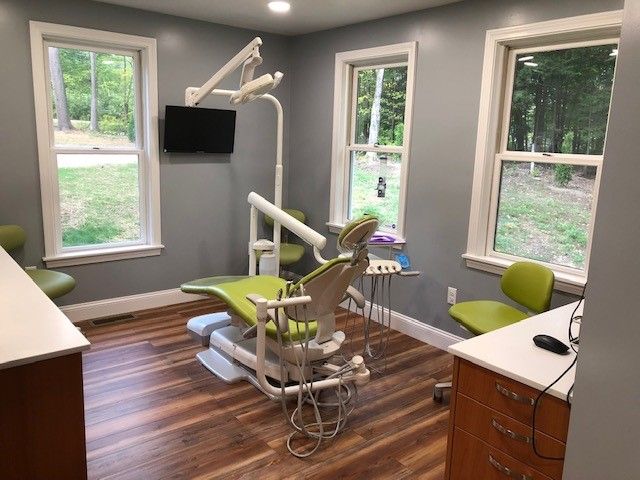

Visiting Weare Family Dentistry in Weare, NH, with Dr. Esin Narli can help you maintain a healthy smile, but knowing when to seek periodontal therapy is essential for preventing serious oral health issues. Periodontal therapy focuses on the prevention, diagnosis, and treatment of gum disease, which affects millions of adults each year. While regular dental exams can detect early signs of gum problems, understanding the warning signs can help you take action before damage becomes irreversible.
Persistent Gum Bleeding
One of the earliest indicators that you might need periodontal therapy is bleeding gums. You may notice this when brushing, flossing, or even eating hard foods. While occasional minor bleeding can happen, consistent or heavy bleeding is often a sign of inflammation caused by plaque buildup. If ignored, it can progress to more severe gum disease, which could eventually affect the supporting structures of your teeth.
Bleeding gums are closely linked to inadequate oral hygiene. Brushing twice a day, flossing, and regular cleanings are vital to remove plaque and prevent bacterial infections. Even with good home care, some individuals may require professional treatment to fully address inflammation and prevent further tissue damage.
Gum Recession and Tooth Sensitivity
Receding gums, where the gum line pulls away from the teeth, is another common sign that periodontal therapy may be necessary. This condition exposes the roots of your teeth, which can lead to heightened tooth sensitivity, especially to hot or cold foods and beverages. Gum recession is often gradual and might go unnoticed until discomfort becomes significant or teeth start appearing longer than usual.
Unchecked gum recession can also increase your risk of cavities along the root surfaces, making preventive care like dental sealants and routine dental exams even more important. Addressing recession early with periodontal therapy helps protect both your gums and teeth, preventing complications that could require restorative procedures like dental crowns or dental implants later on.
Persistent Bad Breath and Loose Teeth
Chronic bad breath (halitosis) or a bad taste in the mouth can be linked to bacterial accumulation beneath the gum line. This is often a sign that plaque and tartar have built up and may indicate the onset of gum disease. Ignoring these symptoms can result in the weakening of the supporting structures of your teeth, potentially causing loose teeth over time.
Professional periodontal therapy focuses on removing bacterial buildup and restoring gum health. In advanced cases, specialized treatments can stop the progression of gum disease and preserve your natural teeth. Maintaining regular dental check-ups is crucial, as your dentist can detect early changes that may not be noticeable at home.
Other Warning Signs
Other signs that may indicate a need for periodontal therapy include:
- Red, swollen, or tender gums
- Pus between the gums and teeth
- Changes in bite or tooth alignment
- Pain while chewing
Recognizing these symptoms early and seeking treatment can save your teeth and prevent more complex restorative procedures such as dental bridges or dental fillings. Regular preventive care, combined with professional guidance, ensures that gum disease does not compromise your oral health.
Understanding these signs and responding promptly is key to maintaining a healthy smile. At Weare Family Dentistry in Weare, NH, Dr. Esin Narli emphasizes the importance of being proactive about gum health. Early intervention with periodontal therapy can prevent complications and keep your teeth strong for years to come.
Resources:
McLaughlin, K. A., & Nolen-Hoeksema, S. (2011). Rumination as a Transdiagnostic Factor in Depression and Anxiety. Behavior Researcher and Therapy.
Pihlstrom, B. L., Michalowicz, B. S., & Johnson, N. W. (2005). Periodontal diseases. The Lancet, 366(9499), 1809–1820.
Kinane, D. F., Stathopoulou, P. G., & Papapanou, P. N. (2017). Periodontal diseases. Nature Reviews Disease Primers, 3(1), 17038.