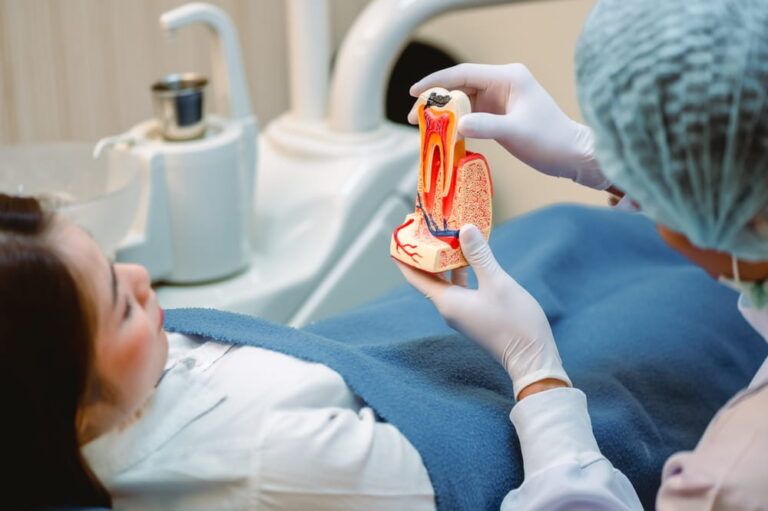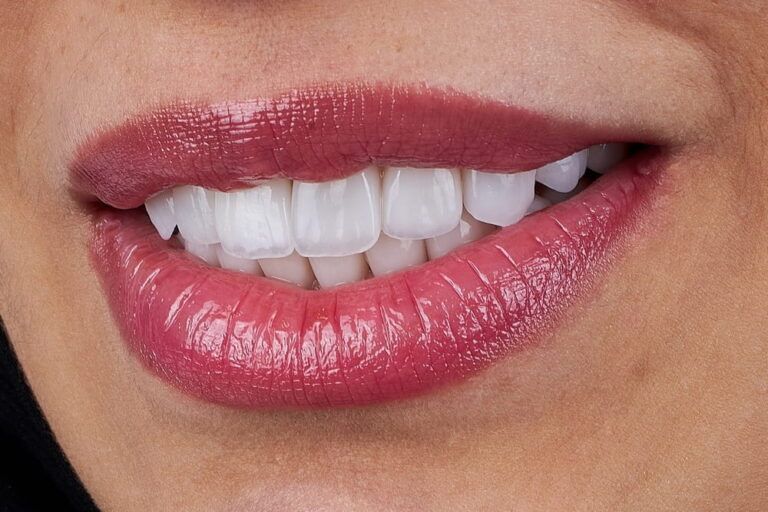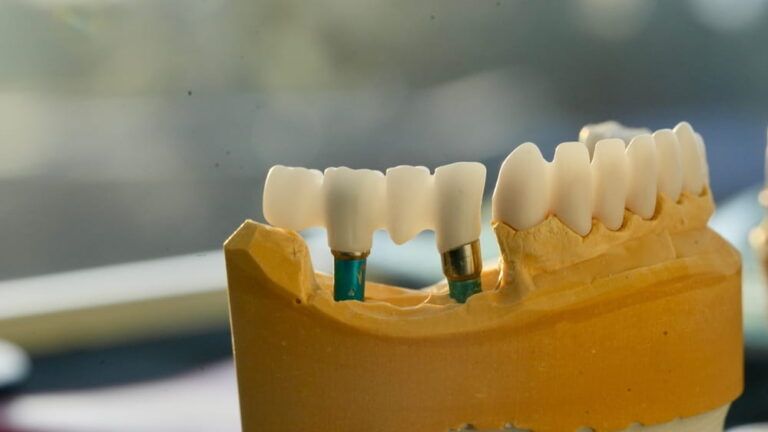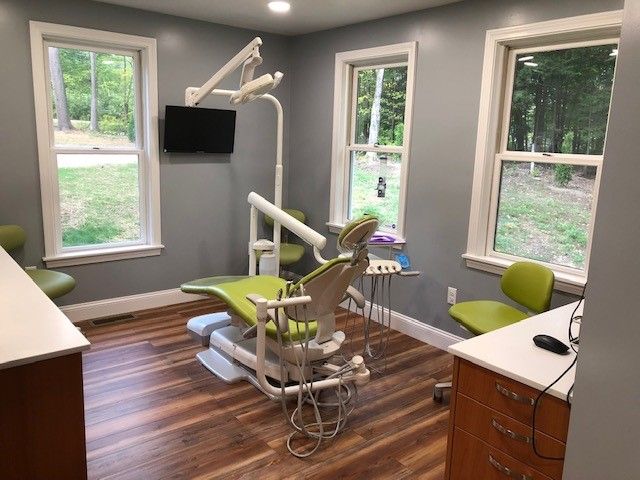
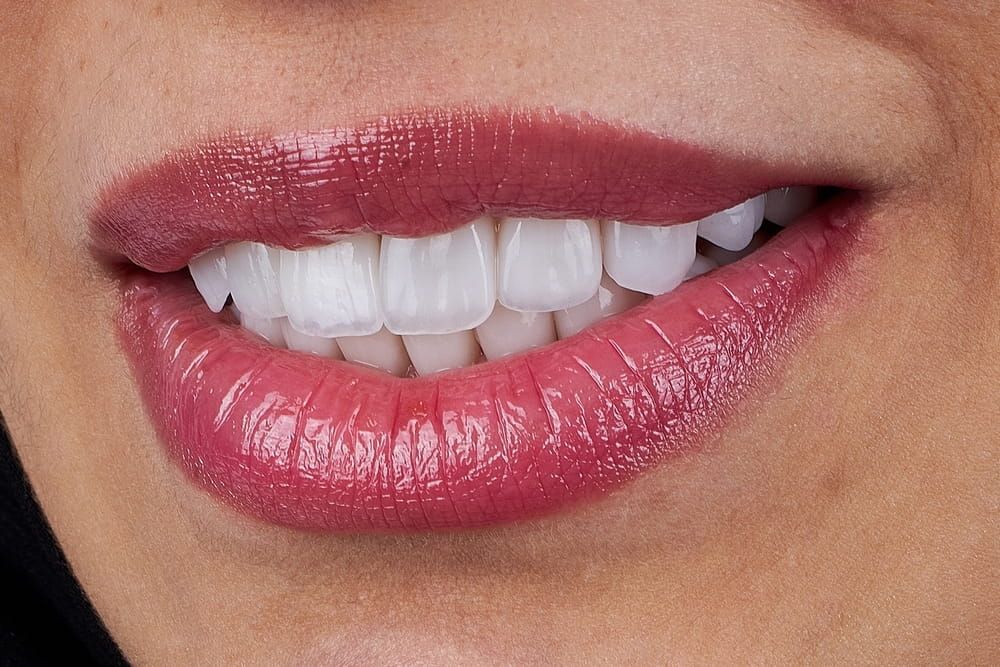
A small chip in a tooth may seem like a minor cosmetic issue, but even tiny damage can affect the way your smile looks and feels. Chipped edges may catch on your tongue, create rough spots, or make you feel self-conscious when speaking or smiling. In some cases, a chip can also expose weaker tooth structure, increasing the risk of additional wear over time. Patients visiting Weare Family Dentistry in Weare, NH often ask whether small chips need treatment, and the answer depends on the size, location, and condition of the tooth.
Minor chips are common and can happen from biting hard foods, grinding teeth, sports injuries, or accidental trauma. Front teeth are especially noticeable when chipped because they are visible during everyday conversations. Even if there is no pain, repairing a chip early can help preserve the tooth and restore a natural appearance before the damage worsens.
How Dental Bonding Repairs Chipped Teeth
Dental bonding is a conservative cosmetic treatment that uses a tooth-colored resin material to rebuild the missing portion of the tooth. The resin is carefully matched to your natural enamel shade, allowing the repair to blend in with surrounding teeth. This makes bonding one of the most popular options for fixing small chips on front teeth and other visible areas.
During treatment, the dentist lightly prepares the tooth surface so the material can adhere properly. The resin is then applied, shaped, and sculpted to recreate the original contour of the tooth. Once the shape looks natural, a curing light hardens the material. The final step includes smoothing and polishing the bonded area so it feels comfortable and reflects light similarly to natural enamel. In many cases, the entire procedure can be completed in a single appointment.
Benefits of Bonding for Small Chips
Dental bonding is popular because it offers several advantages for patients looking for a simple repair. It is less invasive than crowns or veneers because little to no natural tooth structure needs to be removed. It is also efficient, often requiring less time than other cosmetic procedures.
Additional benefits include:
- Natural-looking color matching
- Fast treatment, often in one visit
- Minimal discomfort
- Affordable cosmetic improvement
- Immediate enhancement in smile appearance
For patients with healthy teeth and minor cosmetic damage, bonding can be an excellent first step before considering more extensive treatment options such as porcelain veneers or dental crowns.
Caring for a Bonded Tooth
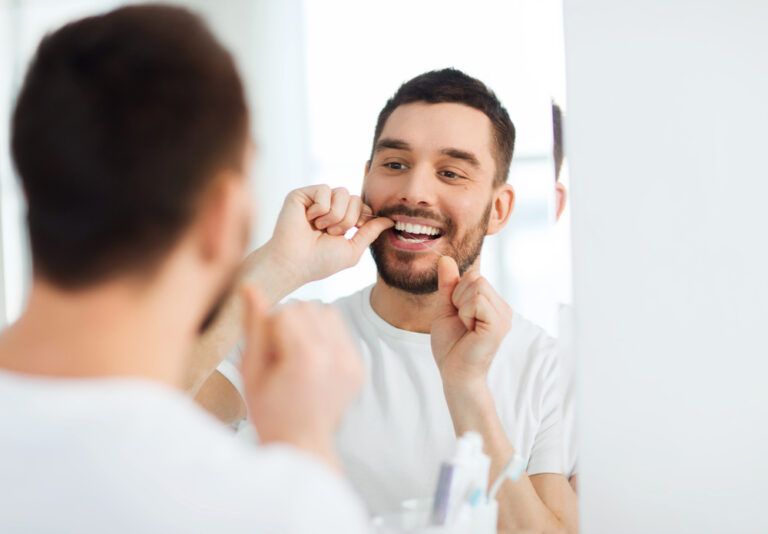
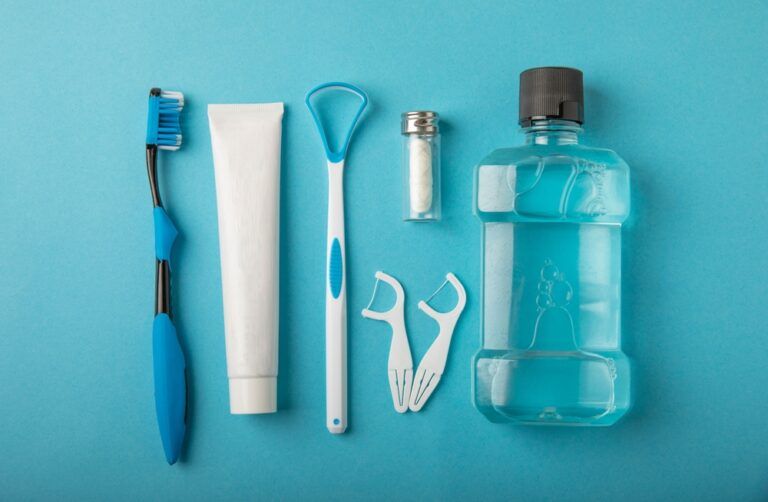
Bonded teeth should be treated with the same care as natural teeth. Good brushing and flossing habits, along with regular dental exams and check-ups, help maintain both the restoration and the surrounding tooth structure. Avoid chewing ice, biting pens, or using teeth to open packaging, since these habits can damage the bonded material.
Because resin can stain over time, limiting tobacco use and being mindful of coffee, tea, and red wine may help preserve the appearance of the repair. If you grind your teeth at night, a protective appliance may be recommended. With proper care, bonding can last for years before needing touch-ups or replacement.
A Simple Way to Restore Confidence
A chipped tooth does not always require a complex solution. Dental bonding offers a straightforward way to restore shape, smoothness, and confidence while preserving natural tooth structure. For many patients, the biggest benefit is how quickly a small flaw can be corrected.
Weare Family Dentistry in Weare, NH believes patients make the best decisions when they understand their treatment options. Learning how bonding works can help you decide when a small chip deserves professional attention and how a healthy, polished smile can be restored.
Resources
Demarco, F. F., Collares, K., Coelho-de-Souza, F. H., et al. (2015). Anterior Composite Restorations: A Systematic Review on Long-Term Survival and Reasons for Failure. Dental Materials.
Loomans, B., & Özcan, M. (2016). Intraoral Repair of Direct and Indirect Restorations: Procedures and Guidelines. Operative Dentistry.
van Dijken, J. W. V. (2000). Direct Resin Composite Inlays/Onlays: Long-Term Clinical Evaluations. Journal of Dentistry.