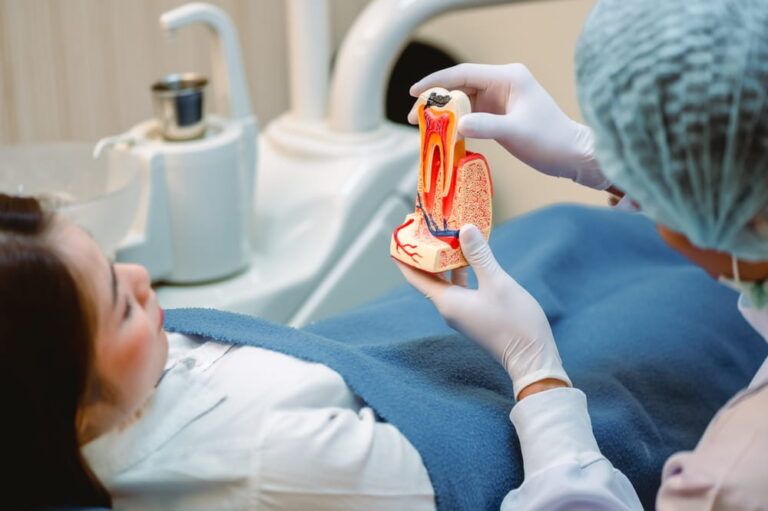
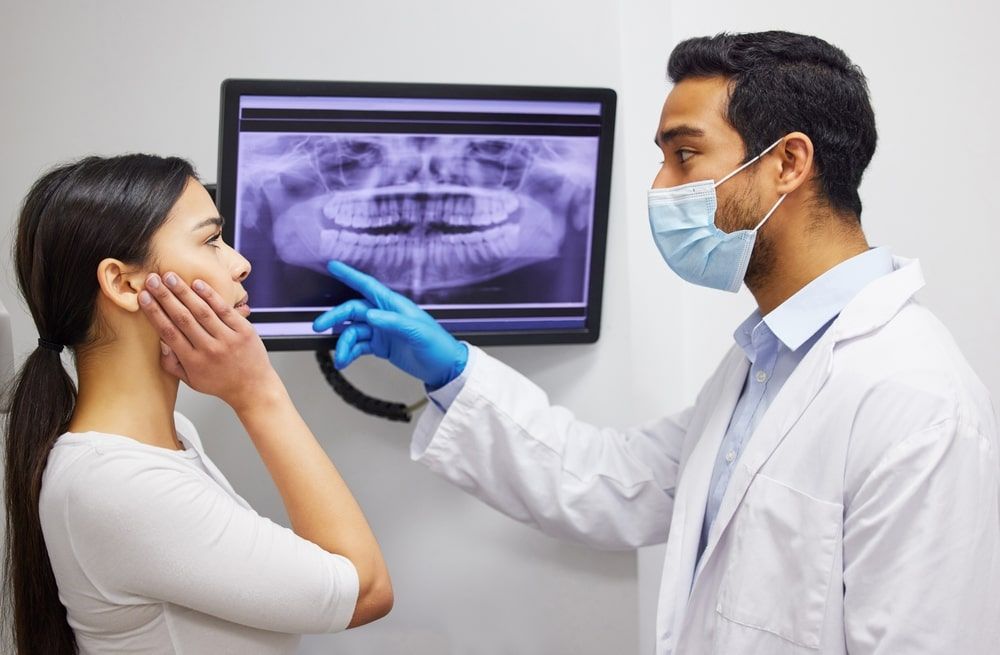
Oral cancer is a serious condition, but early detection dramatically improves outcomes. At Weare Family Dentistry in Weare, NH, Dr. Esin Narli emphasizes that regular dental visits are crucial not only for maintaining healthy teeth and gums but also for screening for oral cancer. Understanding how dentists identify potential issues can help patients feel more informed and proactive about their oral health.
Initial Evaluation and Risk Assessment
The first step in oral cancer screening is a thorough evaluation of the patient’s medical and dental history. Dentists review risk factors such as tobacco and alcohol use, previous oral lesions, or family history of cancer. A discussion about symptoms such as persistent sores, unusual bleeding, difficulty swallowing, or numbness in the mouth or lips is also conducted. Patients with sleep-related conditions may also discuss concerns related to sleep apnea treatment, as comprehensive oral exams sometimes identify signs of related oral tissue changes.
Following the history, the dentist performs a visual inspection of the entire oral cavity. This includes the lips, tongue, cheeks, floor of the mouth, roof of the mouth, and throat. Dentists look for irregularities such as discoloration, lesions, lumps, or sores that do not heal. Early detection during this stage is critical because oral cancer can progress quickly if unnoticed. In children, careful oral evaluations are part of child dentistry visits to ensure that any unusual tissue changes are monitored over time.
Palpation and Physical Examination
After the visual assessment, the dentist uses palpation to feel tissues and lymph nodes in the neck and jaw area. This helps identify any lumps, swelling, or abnormal textures that may indicate a problem. Dentists also check for signs of gum disease and other oral conditions that can mask or mimic early cancer symptoms. Palpation allows dentists to detect issues that might not be visible, providing an extra layer of diagnostic accuracy.
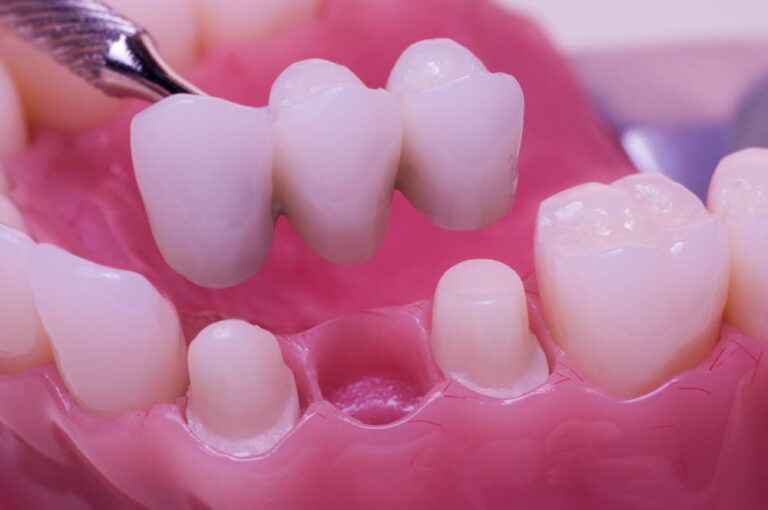
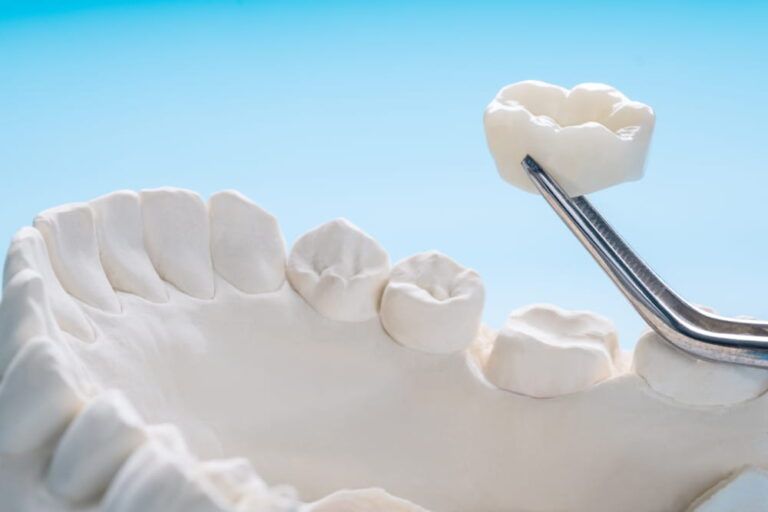
Dentists often assess the overall condition of teeth, fillings, and soft tissue to determine if any abnormalities are related to trauma or irritation versus potential malignancy. For patients who have restorative work such as dental crowns or dental fillings, these areas are carefully examined to ensure they are not contributing to tissue irritation.
Adjunctive Screening Tools
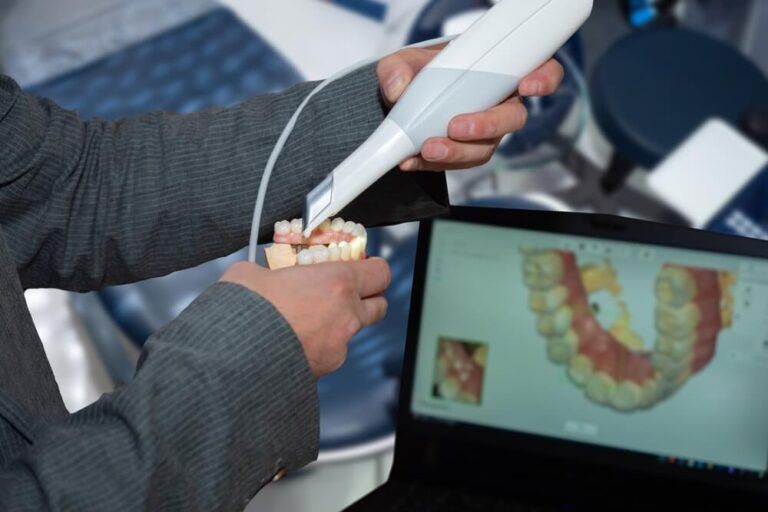
In some cases, dentists may use additional screening tools to improve detection. This can include specialized lights or dyes that highlight abnormal tissue patterns not easily seen by the naked eye. These adjunctive methods are non-invasive and help in identifying suspicious areas that may require further investigation, including biopsies. Regular monitoring ensures that changes are tracked over time, increasing the chances of early intervention.
Dentists also provide education on maintaining proper oral hygiene and lifestyle modifications to reduce oral cancer risk. Patients learn about warning signs to watch for at home and the importance of reporting new lesions or persistent discomfort promptly. Preventive care, including professional cleanings and routine checkups, supports overall oral health and aids in early cancer detection.
Patient Communication and Follow-Up
After the screening, dentists discuss their findings and recommend next steps if any areas of concern are detected. This could include a referral to a specialist, biopsy, or closer monitoring at future appointments. Patients are encouraged to schedule regular visits to maintain consistent monitoring, as oral cancer is often most treatable when detected early.
Screening for oral cancer is an essential component of dental care. At Weare Family Dentistry in Weare, NH, Dr. Esin Narli ensures that every patient receives a thorough evaluation, combining visual inspection, palpation, and adjunctive tools to identify potential issues early. Understanding this process empowers patients to be proactive and confident about their oral health.
Resources:
- American Cancer Society. (2022). Oral Cavity and Oropharyngeal Cancer.
- National Institute of Dental and Craniofacial Research. (2021). Oral Cancer.
- Mayo Clinic Staff. (2022). Oral Cancer Screening Tests.